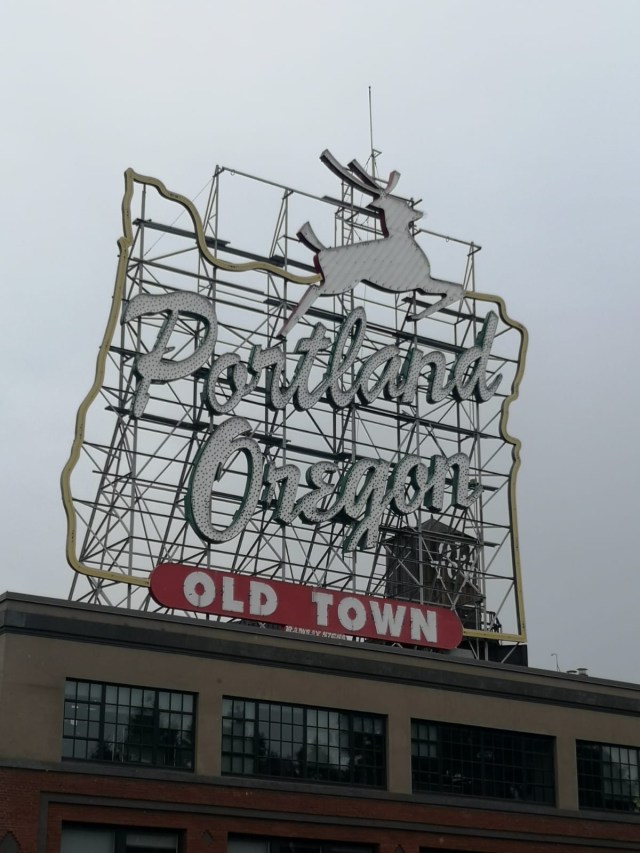
When I was in Canada, my friend and I took a road trip to Portland. Mainly to go to the first Vegan Mini Mall which will be in another blog- lots of books from an amazing author/illustrator who is very passionate about veganism.
But for today’s, it’s inspired by Portland.
Donuts
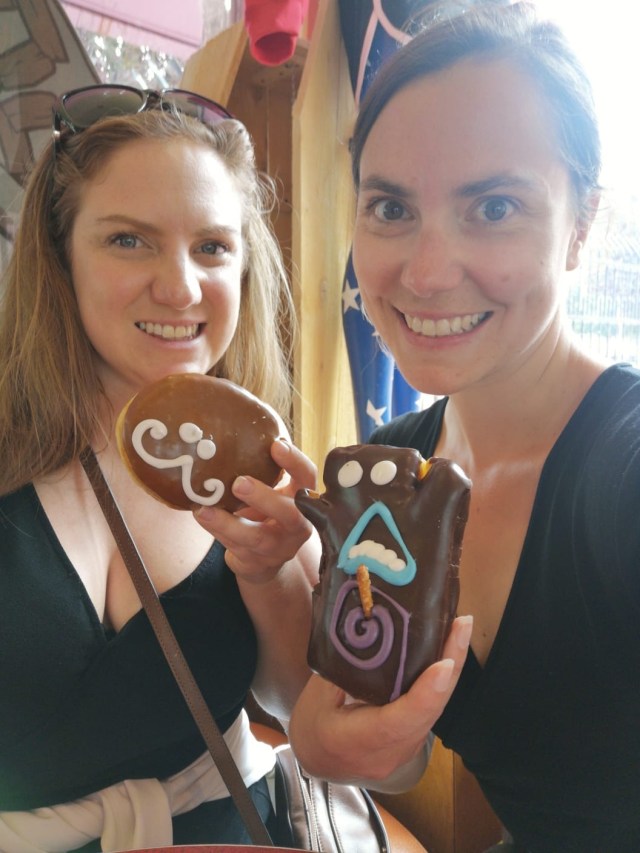
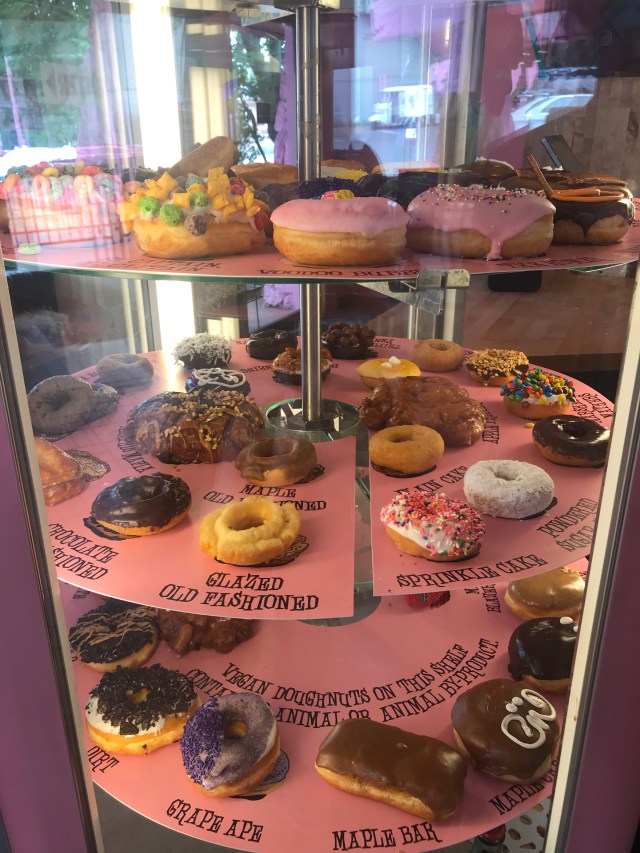
Alison Harris and I at Voodoo donuts!Lots of donuts at Voodoo donuts (even vegan ones)
When I told my friends that I was having a Road trip to Portland, literally everyone said I should check out Voodoo donuts! And what an experience- 24/7 donuts! And all sorts of flavours and toppings!
I’ve decorated biscuits and even cupcakes, but never donuts!
Why not buy a pack of donuts and decorate them yourselves? Be as creative as you can! They put sweets and biscuits on their icing!
More to books…
There is literally a book for any topic…
Norman the slug with a funny shell by Sue Hendra (Photo credit by amazon.co.uk)
This is a lovely book where Norman loves snails and tries on lots of different items as a “shell”.
Please Mr Panda by Steve Antony (Photo credit: Amazon.co.uk)
Children’s museum
To get to the Children’s museum, we took the trams which are really easy to use. The station you need to get off at is in a “mountain” and you have to take a lift for what feels like forever. It was interesting. Luckily, I’m over my childhood fear of lift doors. When I was little and we were in Madeira. I ran into a hotel lift and the doors shut on me. Years later, I went up the Empire States building with two friends. One was claustrophobic and the other was afraid of heights. And with my fear of lift doors, we must have looked like a comedy sketch!
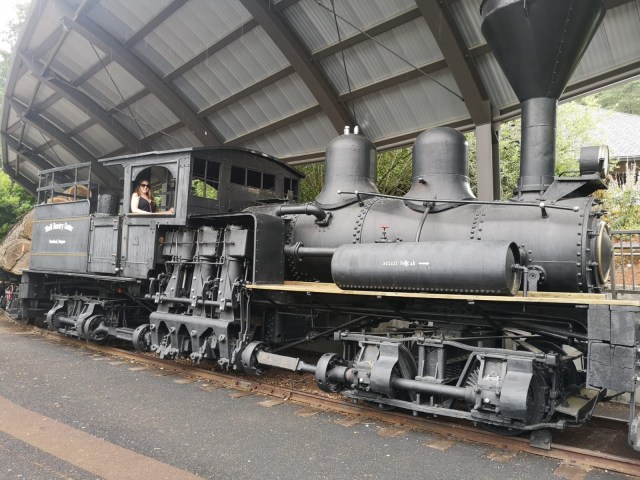
I got to drive a train. (Pretend to drive a train!) Did you know the first female train driver in England was Karen Harrison in 1977! I have been researching for a book I’ve written for the Suffragettes and women’s empowerment. I’m currently seeking representation.
For all things trains, check out my blog on the Water and Steam museum for ideas on books.
A maze, can you guess where it is!? (Photo credit: yorkmaze.com)
I went to York University and went to York maize maze (I love saying that) often. One Halloween we went in the dark and they had live actors scaring us. Maybe don’t take your really young children to that!
But see if there is a maze close to you. It’s so fun getting lost. I have been to Hampton court maze with so many Nanny Children.
More to books…
Paddington Bear and the Marmalade Maze by Michael Bond (Photo credit: historicroyalpalaces.com)
I love Paddington Bear always but here he gets lost with Mr Gruber in Hampton Court Maze!
And to show there really is more to books than reading, I’m sharing a book of mazes!
These are amazing for children’s fine motor skills and are super fun to do. I’ve taught (now) G6 to put a x when she goes wrong and go back. It’s brilliant for logic, patience and problem solving. She’s taken to asking me to draw mazes for her. I’ll take some pics when I’m back at work on Wednesday. She even draws them for me too!
The Usborne big maze book by Kirsteen Robson (Photo credit: books.google.com)
Photo credit- Alison Harris (in fact all photos with me in them on this trip were taken by her 😀)
We had an awesome time!
Show me your own made up maze drawings.
Send me a photo of you and your littles ones conquering a hedge or maize maze!
Show me your decorated donuts!
Love Kat x
Lorelei, Salem, USA (aged 5) with a decorated donut!
As with last weeks blog on Bears, this week is also inspired by the trip to Canada!
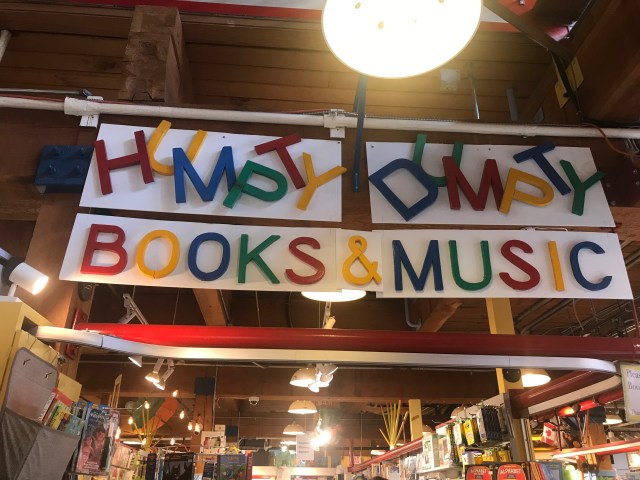
We took a trip to Granville Island and we found the most amazing toy shop. And I just had to go in the Humpty Dumpty Books and Music section. Some of the books in this blog are from here. If am at a book shop, I always skim through the books and note down if I think they are good enough to mention and research further. I usually buy at-least one book every trip, I tend to gift it to my Nanny Children as a souvenir. A good tip is to YouTube a book title. There is usually always someone who has done a book reading video. But you can’t beat a real life book.
Humpty Dumpty Books and Music
Kayaking
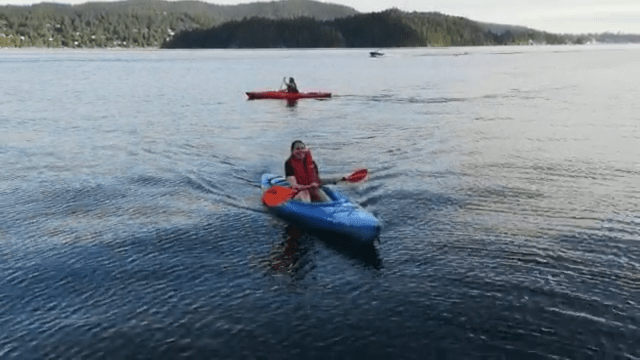
Alison Harris and I on kayaks in Vancouver
Vancouver is by the sea but the land makes a huge inlet which was great for kayaking. I only had a single paddle and when motorboat sped past, I ended up turning 360 degrees. It actually made me laugh.
Check out your local lake to see if you can go boating with your older nanny children.
Totem poles
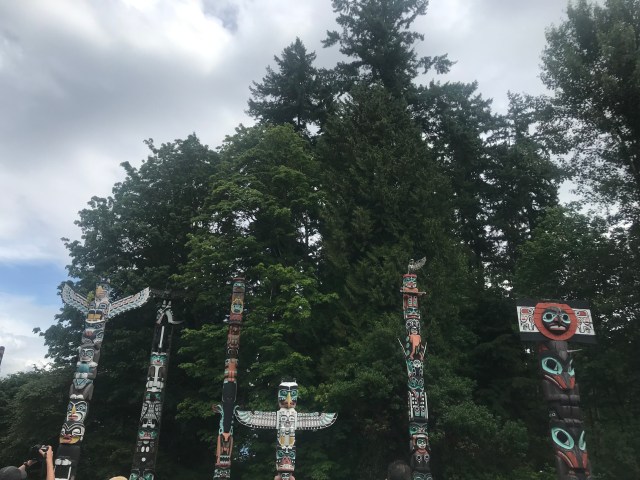
Totem poles in Stanley Park
We went for a gorgeous walk in the sunshine, all around the waterfront. We saw totem poles which were made by aboriginal and indigenous people of North America.
Check out this website for some awesome facts on Totem Poles for kids!
When I was a teacher, I used to use dltk-kids.com for inspiration. There’s a template on there but use your imagination, look up some real life totem poles, create an animal for each member of the family and stack them. Don’t forget to use lots of colour!
More to books…
Great for phonics but also finding things in Canada. They also have a 123 of Canada for learning numbers, this book is for your younger readers.
ABC of Canada by Per-Henrik Gürth, illustrated by Kim Bellafontaine
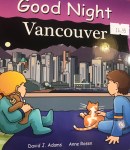
Goodnight Vancouver by David J Adams and Anne Rosen This is a series, my children also have Goodnight Michigan, it’s a great one to learn about different locations around a city that you’re interested in.
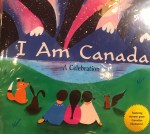
I am Canada-A celebration by 13 Canadian Illustrators
This is an absolutely beautifully illustrated book with each scene done in a different technique by a different Canadian Illustrator. My favourite one is the sledging scene. Definitely lots to talk about on each page, for learners of all ages!
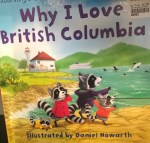
Why I love British Columbia. Illustrated by Daniel Howarth.
What I loved about this book was it was literally written by children!
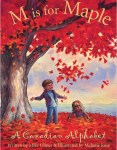
M is for Maple by Mike Ulmer and illustrated by Melanie Rose (Photo credit- google.book.it)
This is a brilliant one for phonics like the ABC Canada book but for older children. Also check out Anne of Green Gables books with your older ones, as she is the A in this book. (And for adults, Anne with an E is an excellent box set!)
Mike Ulmer also wrote C is for Canada.
D is for drum- the Native American alphabet written by Debbie and Michael Shoulders, illustrated by Irving Toddy (Photo credit- Books.google.it)
This is a great book, also for the older ones, which goes into detail about all things Native American.
There are many many many more amazing books that I found through research. If you’re interested in Native American books, do get in touch and I will be happy to share, or maybe I’ll do a follow up blog in the future.
Write an ABC of where you live!
Send pics of you boating with your children.
Show me your Totem Poles!
Lorelei, Salem, USA (aged 5) on a boating trip in Alaska!
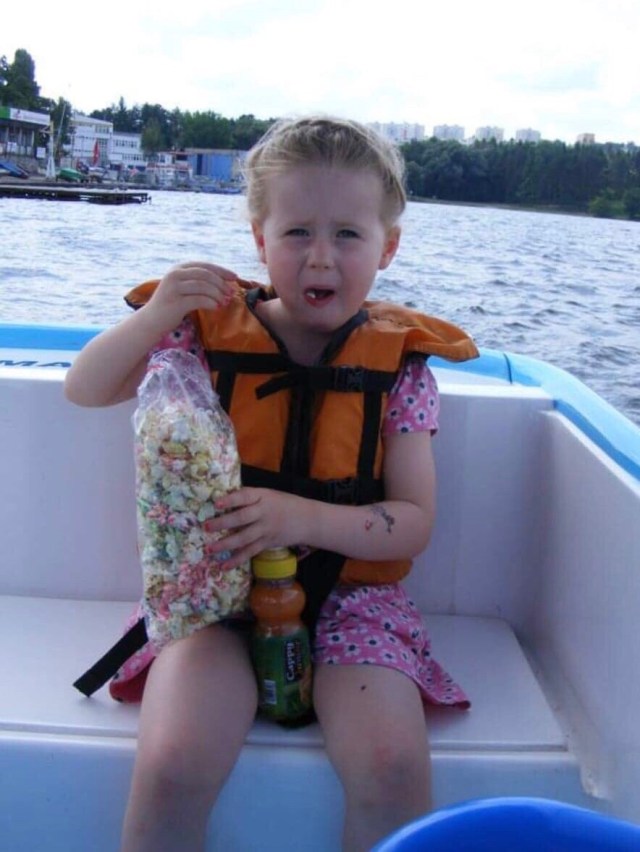
You definitely need a snack when boating. Elsie, London (aged 4- now 9)
So as some of you may know, I work as a travel nanny and fly all over the world, to Cape Town, Italy, Maldives, Switzerland, Ibiza and Tresco to name a few.
My first few nanny jobs were on a cruise ship for one private family all over Northern Europe and also a stint in North West Italy.
I love travelling!
When I was a teenager I got to go to New York and Washington with school, then Beijing and Xian with sixth form college.
Well, last week, I got to go to Canada on a rare non-work trip (and we also had a road trip to Seattle and Portland which will feature in another blog)
Showing a little vulnerability here, but I have had feedback that sometimes by blogs are very long, so I’m going to act upon feedback and start splitting them up…
So the next few blogs will have ideas generated from things I saw so your little ones can experience a little bit of Canada without even going there!
Bears
It must be from the movies but I had a little fear that I’d run in to a bear on this trip, and there were signs on our amazing walk saying they had been sighted.
We did meet a bear, but it was a cuddly one.
Alison Harris, me and our Canadian bear friend
More to books…
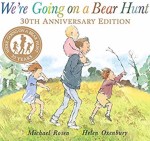
Why not go on a bear hunt, just like that book?
We’re going on a bear hunt by Michael Rosen, illustrated by Helen Oxbury (Photo credit: Amazon.co.uk)
Hide a teddy bear in your garden or in trees in your local park…if you actually might have bears, beware!
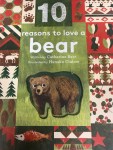
Reasons to love a bear by Catherine Barr, illustrated by Hanako Clulow
Why not write 10 reasons why you love your own teddy bear?
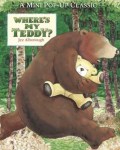
Where’s my teddy? By Jez Alborough (Photo credit: worldofbooks.com)
Get different sized teddies and line them up in order from smallest to largest!
I took this photograph from www.worldofbooks.com -they are a company that collects books from charity shops and sells them online. You can get many titles second hand, I have used them and they have always been in great quality still.
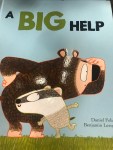
A big help by Daniel Fehr
In a similar ilk to Where’s my teddy? And We’re going on a bear hunt, this book sees badger looking for his bear.
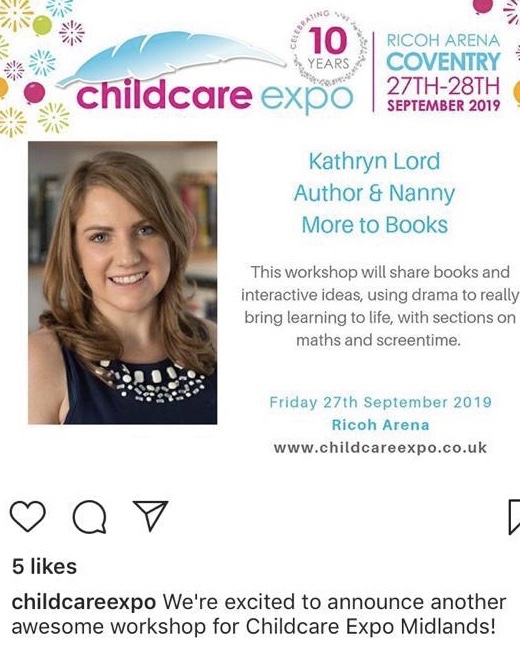
Before I begin, I’m very proud to announce that I am an official speaker at the Childcare Expo in the Midlands on the 27th of September 2019 at 12.30pm.
Please do come and join my workshop to get a real hands on experience of More to Books.
I’m not an advocate for screen time. I think it should be limited.
But I’m also a 24/4 nanny, who knows that children need down time as much as nannies or parents do.
Here are five tv programmes that can be useful in those times that you need to cook or do jobs, and of course, books to go with them, because after all, there’s more to books than reading.
Maths
Odd Squad (photo credit: IMBD.com)
Odd Squad is an American TV show where a group of children run a department investigating all things “odd”
I particularly love the episode where someone steals a cake and they have to work out the shapes.
I usually get drawn in to the excitement as much as the children and there are many a joke that I also appreciated. The episodes tackle lots of mathematical problems.
History
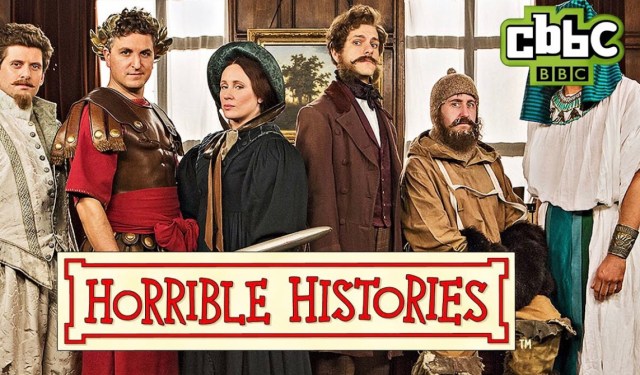
Horrible Histories (photo credit: IMDb.com)
Eagerly awaiting the Horrible History film on Romans as I mentioned in my last blog, but I’ve watched this with Nanny children whose children are as young as three. The magazine style to this programme means the little short songs and sketches are interesting for all ages AND the amount they discuss poo will get any child giggling.
Geography/Science
Andy’s Wild Adventures (Photo credit: cbbc.co.uk)
To take your child around the world without leaving the television are these short but sweet fact files on habitats, eating habits and offspring.
Not only could this be under history as well, these small delicious programmes are exciting and packed full of facts. Awesome for if your little one is obsessed with dinosaurs too. I once took a nanny child to the Natural History Museum just to look for Andy’s clock but sadly it isn’t there. I’d totally commission one if I worked there.
Encourage your child to look at the book while they watch the programme and they can match some of the speech up to what Charlie or Lola are saying. Although these are fiction unlike the 4 programmes above, they follow every day topics that support daily routine and life.
Literally, going to the library or book shop and finding books on maths, science, geography, history and daily routine will enhance their learning through watching these programmes and reading around the topics.
Wipe- clean Starting Times Tables (Photo credit- Usborne.com)
For maths books, Activity books that are interactive, you can get ones that come with a wipeable pen so children can re do maths sums/word problems. Above is an example of a times tables wipeable book.
For history books, as well as reading the Horrible History books, for older children, choose a period in time of the history you watched and get age appropriate books to enhance their learning.
For geography books, after watching the Animal programme, read books about the country that the animal is from.
For science, read books about the animal that is in that programme. These can be fiction or non- fiction.
For Charlie and Lola, get Charlie and Lola books!!!
What educational programmes do your little ones love to watch? Send me a photo!
Let me know if you’re coming to the ChildCare Expo in the Ricoh Centre on the 27th of September.
I am literally obsessed with Roman history to the point that I think I was Roman in a past life!
I went to Hadrian’s wall to do research for my chapter book which will be an adventure story for children in key stage 1. I am currently looking for representation for my children’s books.
But you don’t have to go to Hadrian’s wall to help your child become excited about Roman history.
Bath at the Romans Baths in Bath*
*sadly, you are no longer allowed to go in the actual water.
Get your youngster in a fluster for Chester
Visit the Dewa Roman experience (I have taken a school group here when I was teaching in Manchester, I highly recommend it) or simply walk around this amazing city as there are ruins everywhere for you to explore, especially the amphitheatre.
Muse in the Museum of London
Take a walk in York
I did my first Degree in York. There are some interesting Roman Ghost stories in the Treasurers house.
Cirencester
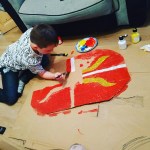
Roman Shields
Why not make your very own Roman shield.
Riley (aged 7) from Rossendale
More to books…
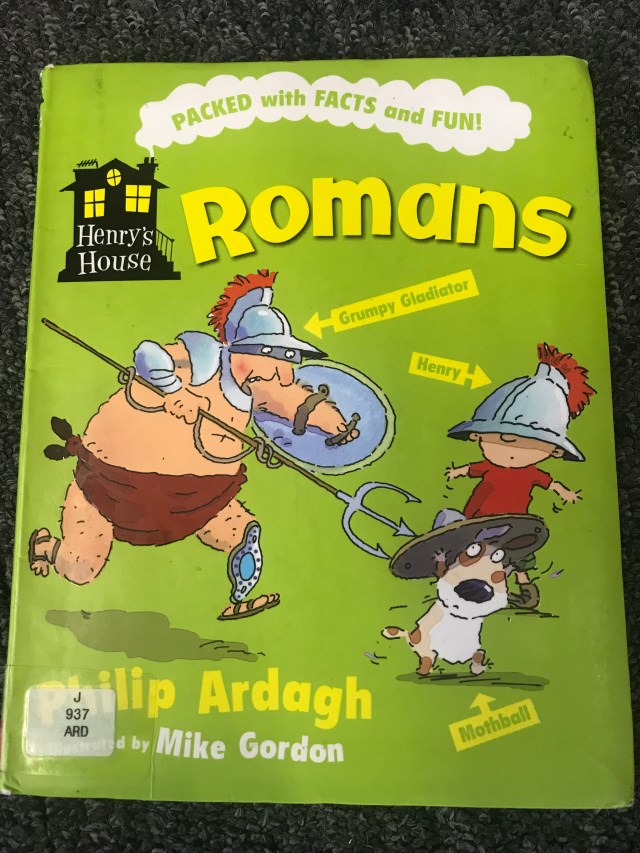
Move over, Horrible Histories, a library find, Romans by Philip Ardagh is literally “packed with facts and fun!”
Just kidding, I LOVE Horrible Histories
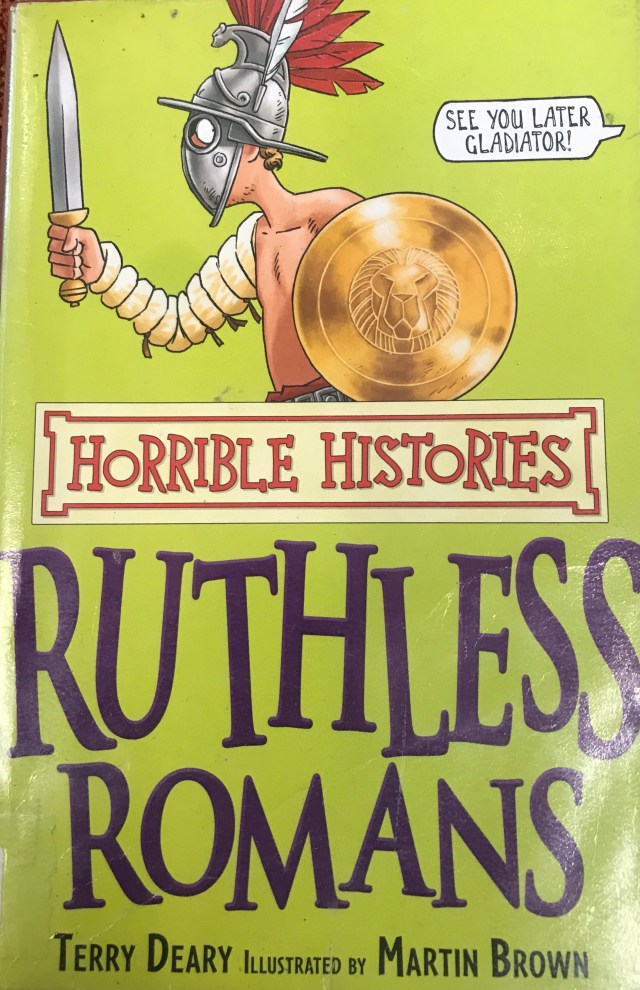
Ruthless Romans by Terry Deary
Also, I am eagerly anticipating the new Horrible Histories Movie about Romans this year!
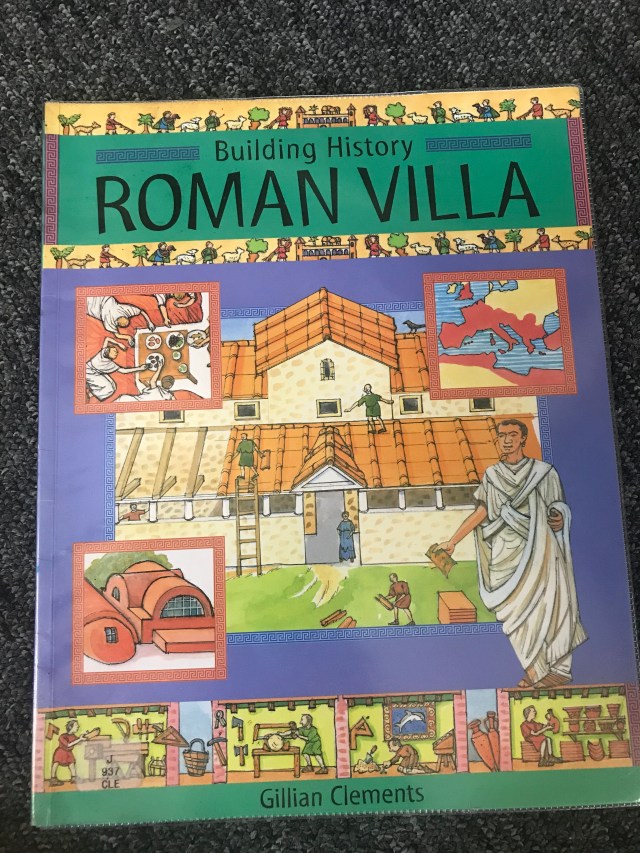
This is a library find, but I love it. For GCSE History, I made the Roman Villa. Roman Villa by Gillian Clements.
Today’s blog will show you how to make maths easy by bribing your children with sweets. Just kidding! Although this activity does make maths more fun and children actually want to do these “games”.
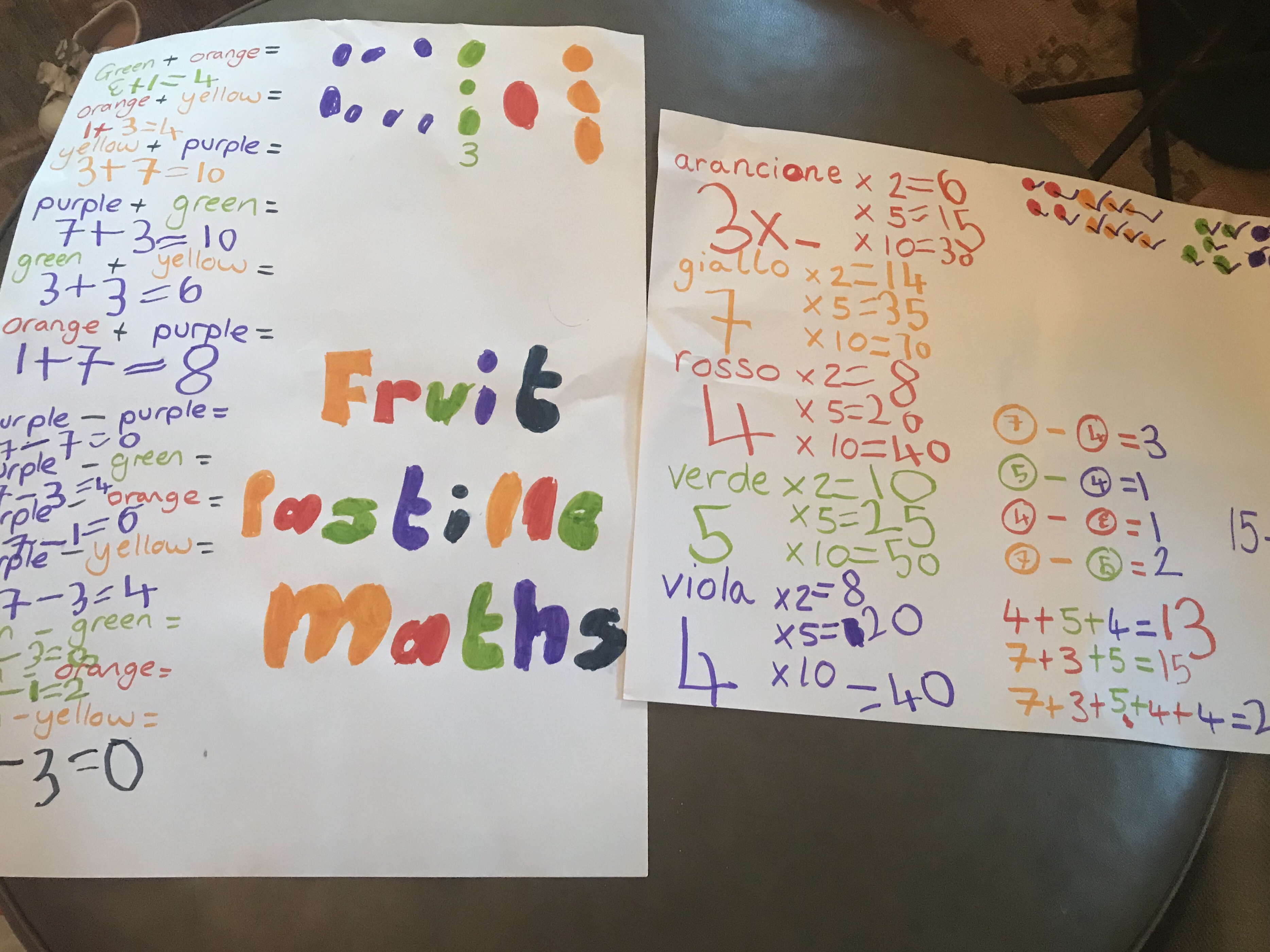
A great maths activity for a rainy day is what has become known in my Nanny family house as “Fruit Pastille maths.” To make this healthier you can use fruit (although it could get a little messy and don’t forget to wash your hands)
I also like to use Skittles or Smarties as the numbers get a little higher then.
Sorting colours
There are many aspects to this activity and you can start with children as young as two. For the younger ones, just sorting them and naming the colours is a great start.
Counting
The next step is to count them. A target in the Early Years is to count to 5, 10 then 20. There are three ways to help your child to count. The first is to physically move them, the next is to put them in a line to make it easier and touch each sweet as you say the number name. These are examples of one-to-one correspondence.
Eventually, the child can count by sight.
Recording
It is good to start supporting your child to record their maths. I would encourage them to draw a dot in the colour of the sweet or fruit and you can scribe the number for them to copy.
Adding (plus)
The next activity is to start adding the colours together. To make it harder, add more than one colour together. I like to generate the sums to help the children memorise number bonds to 10 and 20. Eventually, using sums that go over the tens boundary such as 9+3 or 17+4.
Taking away (minus)
For taking away, (and this is the fun part) start with one less, let them eat one and count how many are left. For larger take away sums, encourage your child to move the sweets or fruit taken away to see what is left. Always put the biggest number first.
Times tables (multiplying)
Times table sums can also be generated using this “game.” Doubling is the times table to start with. Then counting in tens. Counting in 5s. (Eg let’s say there are 6 oranges. Orange times by itself, orange times by 10 etc.) I always remind them that when you times by 1, the number stays the same and when you times by 0, the answer is always 0.
Sharing (dividing)
My Nanny child’s favourite activity is “sharing” mainly because that’s when she gets to eat the treasures of her hard work. I select a colour and generate the sum. So an even number can be divided by her and her sister. Or 8 for example can be shared between her, her sister, her mum and myself, if I really feel like I need a couple of sweeties that day.
Dividing/sharing with Jelly Beans
To share, they can literally move the sweet or fruit to the circle with the name of who it is going to above it. Eventually, they can draw the dot and count until they get to the number, then count how many is in one circle to get the answer.
The next step will be sums with remainders!
And even change the language to one of your choice. We use Italian colours and numbers.
As the sums get easier, increase the size of the numbers.
There’s more to books than reading…
The books I recommend to support counting and adding for nursery and reception aged children are as follows:
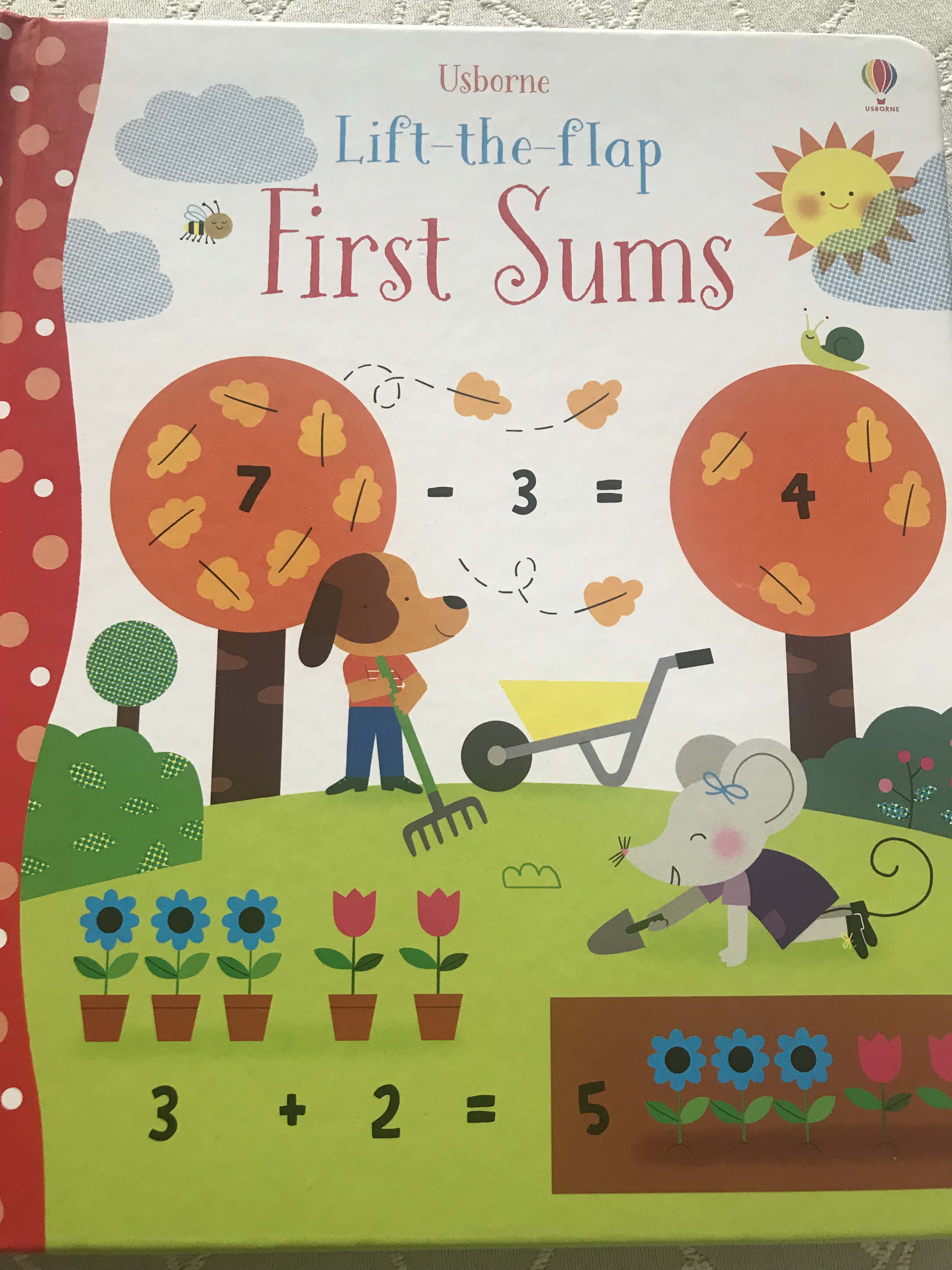
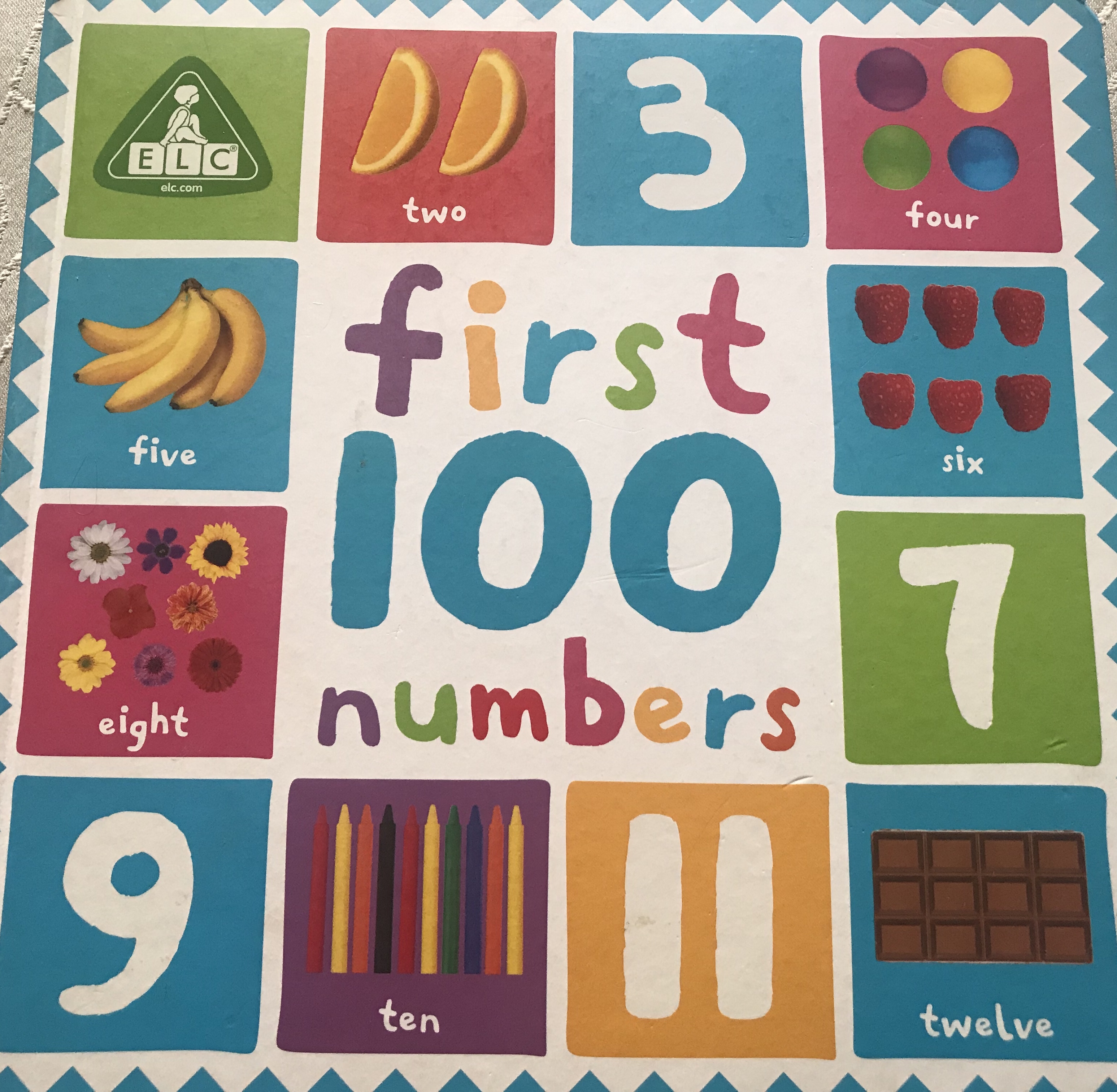
Lift-the-flap First Sums by Felicity Brooks, illustrated by Mélisande LuthringerFirst 100 numbers by ELC
Show me your pictures of fruit or sweet maths fun…
Having been a Nanny in Kew for two years, I absolutely loved hopping over the bridge to Brentford to this fantastic little museum. I am still a South West Nanny so drive over for visits sometimes.
I shall use this museum to guide the topics of this blog and share all you can learn from there, and things you can do in your home to learn about this topic. The “More to Books” section will appear under each topic to make it clearer.
This museum is great for if it’s a little wet or cold outside as there are plenty of things to do inside, although, at the weekends, when they have enough brilliant volunteers, they also have a working mini steam train!
Steam Trains
Small world train sets are fun. For younger children there is Happyland sets or for older learner, brio.
Photo credit: ltmuseum.co.uk
The London Transport Museum is an awesome museum and deserves a blog all on its own! But here’s the link if you want to plan a trip:
For my “up north” readers, the National Transport Museum is also great. I studied My Undergraduate Degree at York so spent many a day in this museum with my Uni mates.
And again, totally needs a blog all to itself but The Beamish Museum is one of my great loves. I did my PGCE and Masters in Durham University and the yearly membership only cost slightly more than the day ticket so I spent so many weekends here, I took my little cousin A LOT! But for the purposes of this blog, the reason you should visit is the working steam train (and so much more)
Max Chadwick, Haslingden (aged 22 months) taking a train
More to books…
For our younger readers:
That’s not my train by Usborne
For older readers:
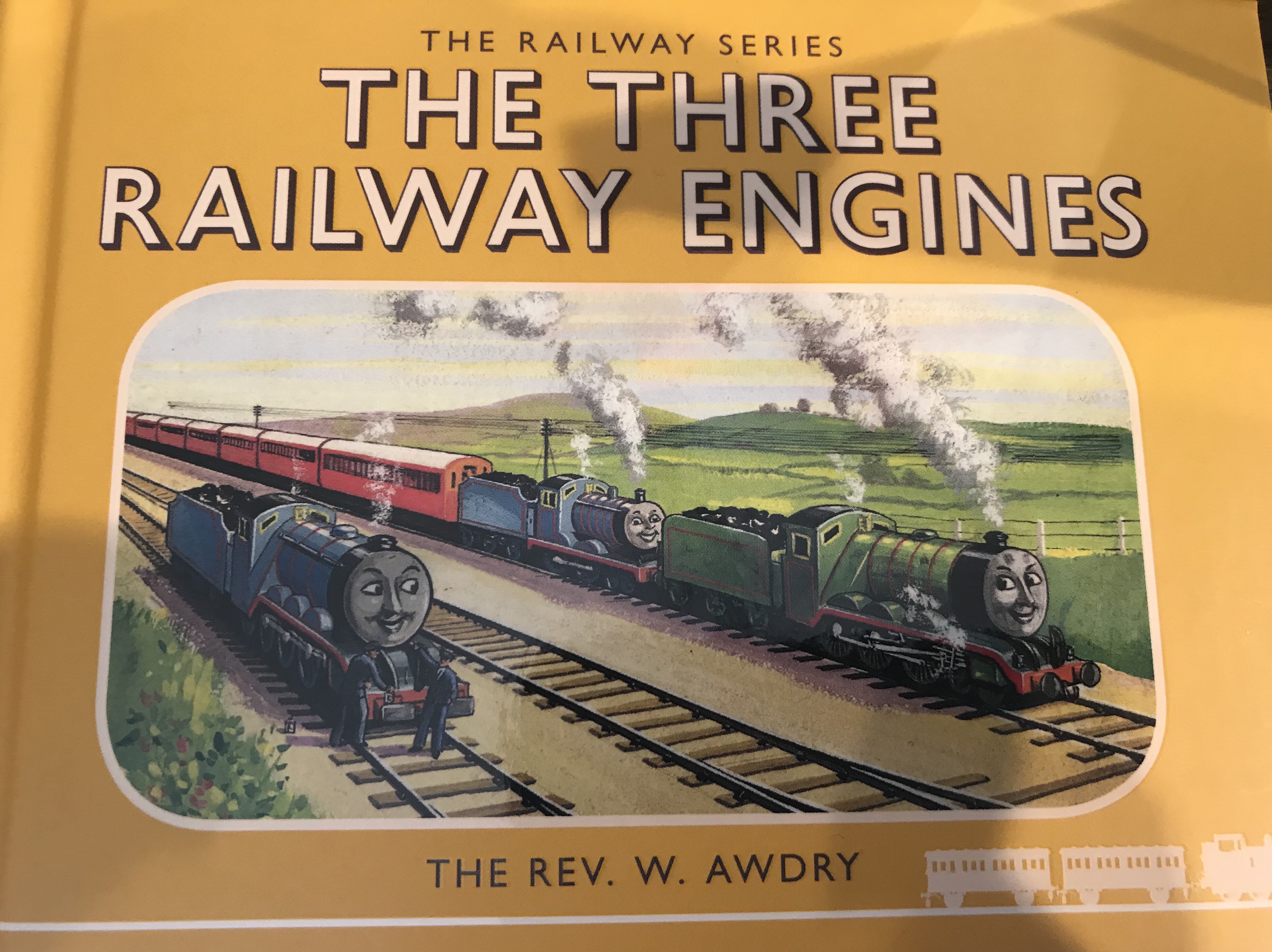
The three railway engines by The Rev W Awdry
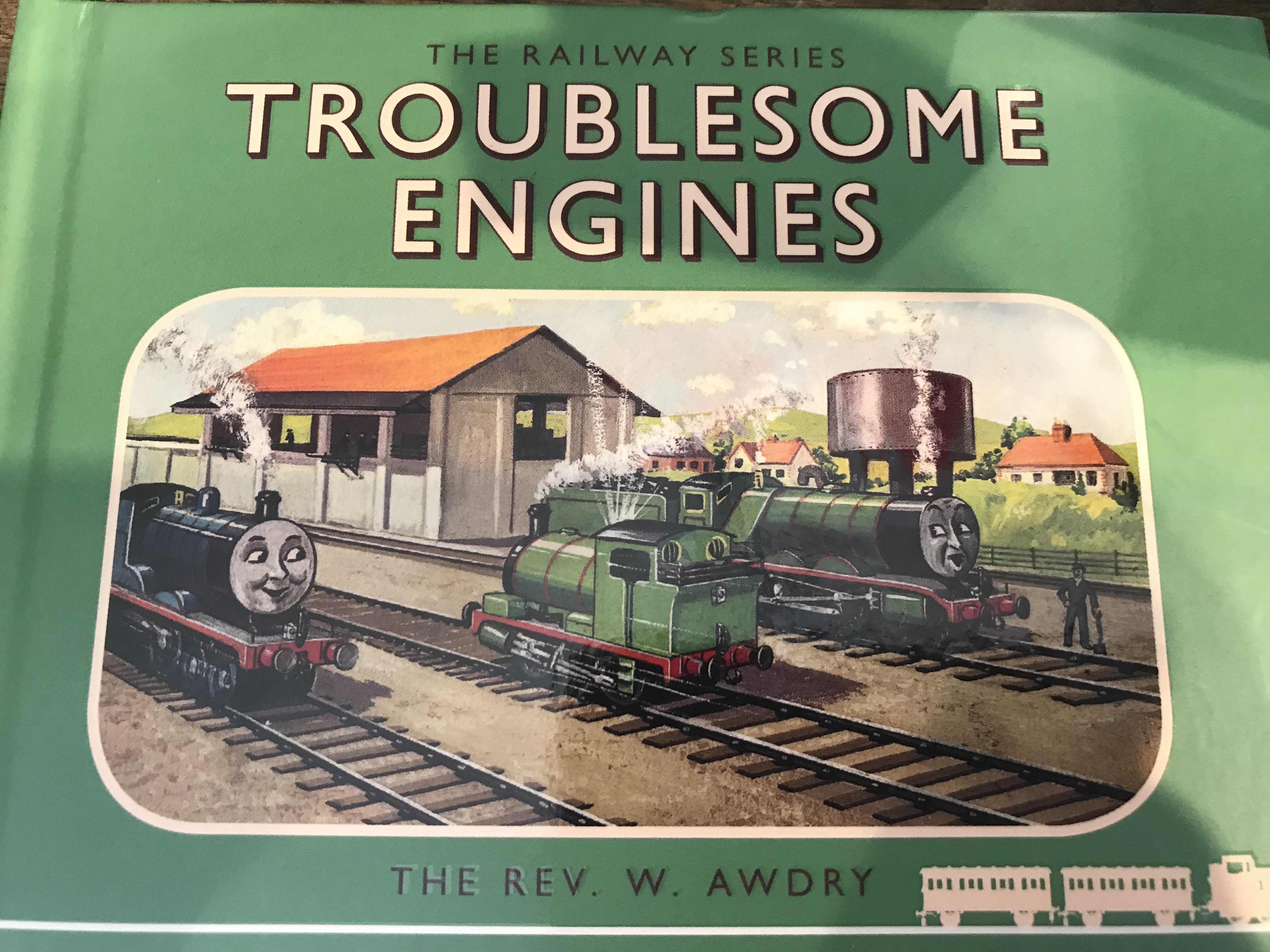
Troublesome Engines by The Rev W Awdry
For even older readers (but not too old)
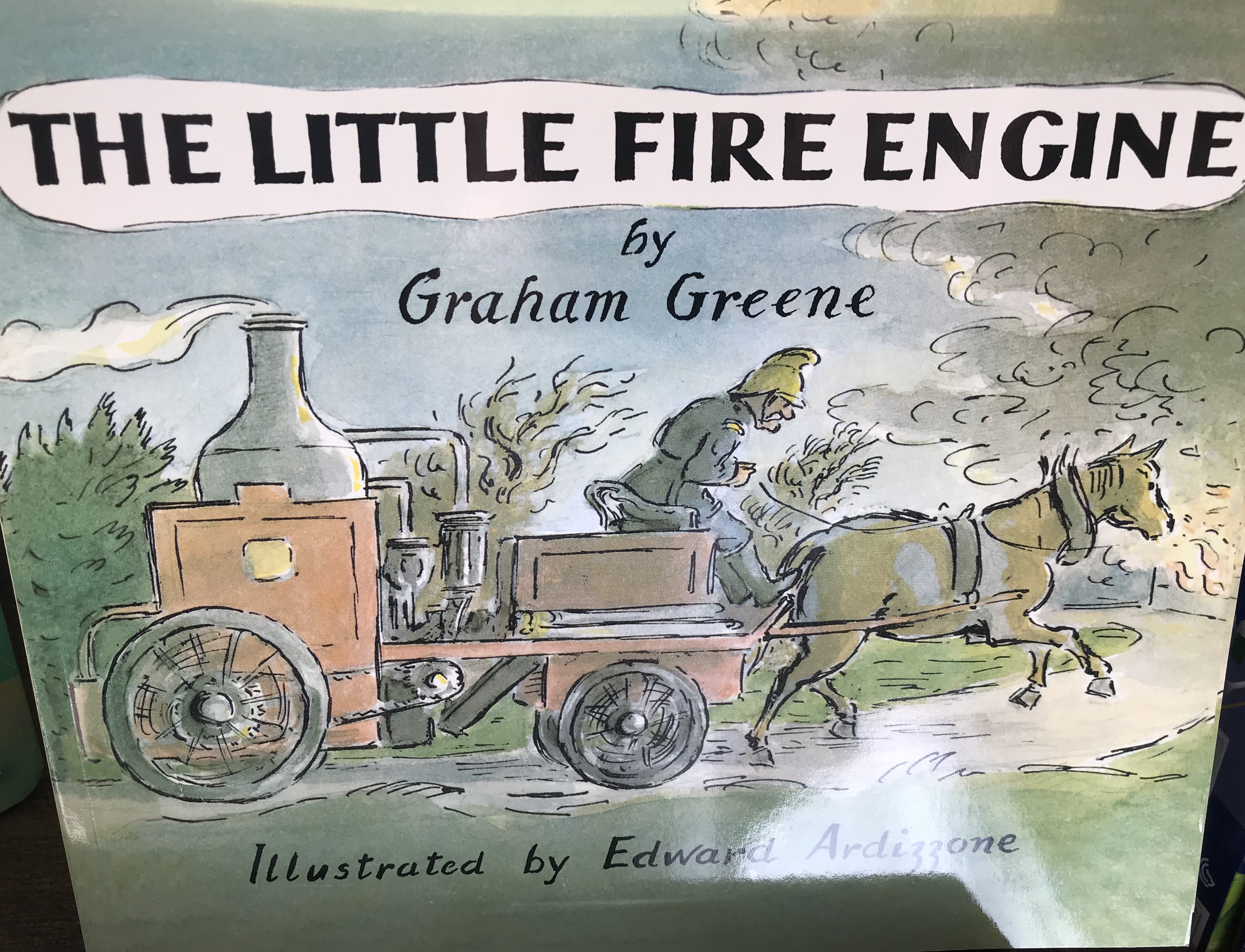
The Little Fire Engine by Graham Greene, illustrated by Edward Ardizzone
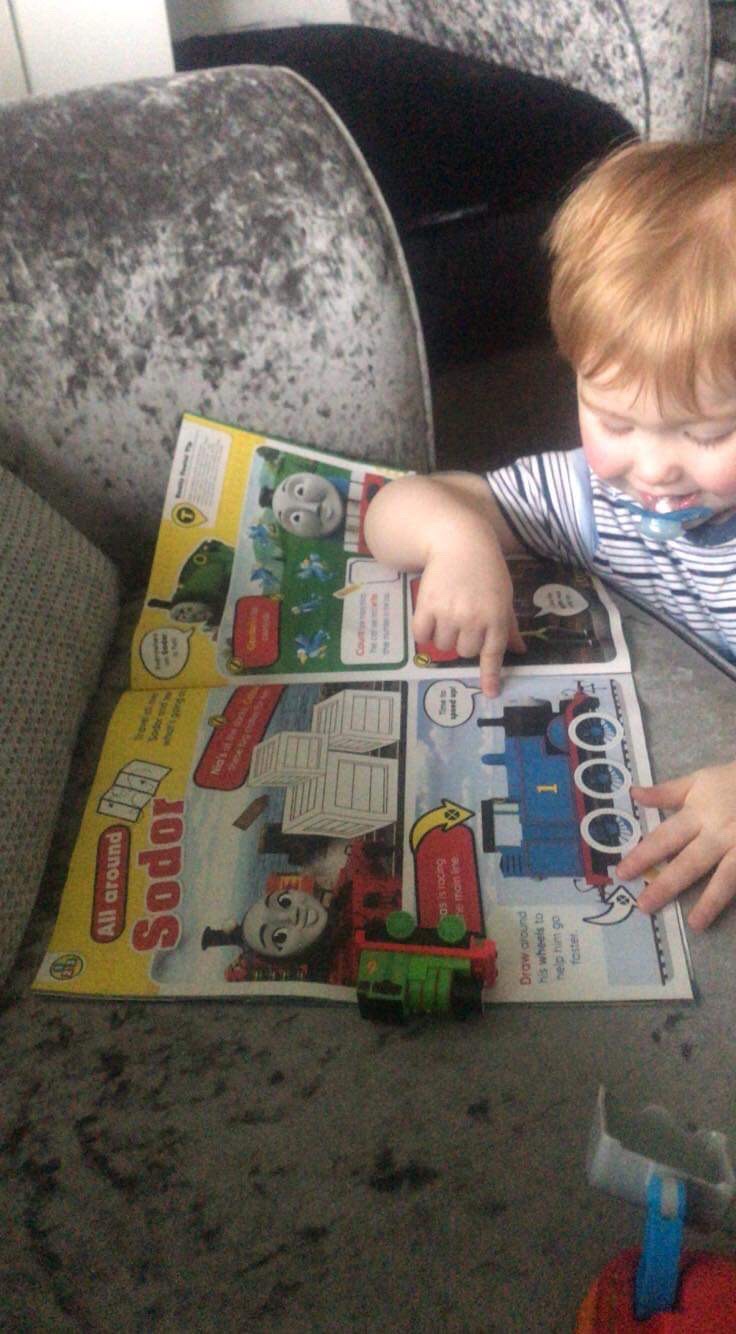
Magazines are also a great way to encourage reading.
Max Chadwick, Haslingden (aged 22 months) looking at a Thomas the Tank Engine Magazine
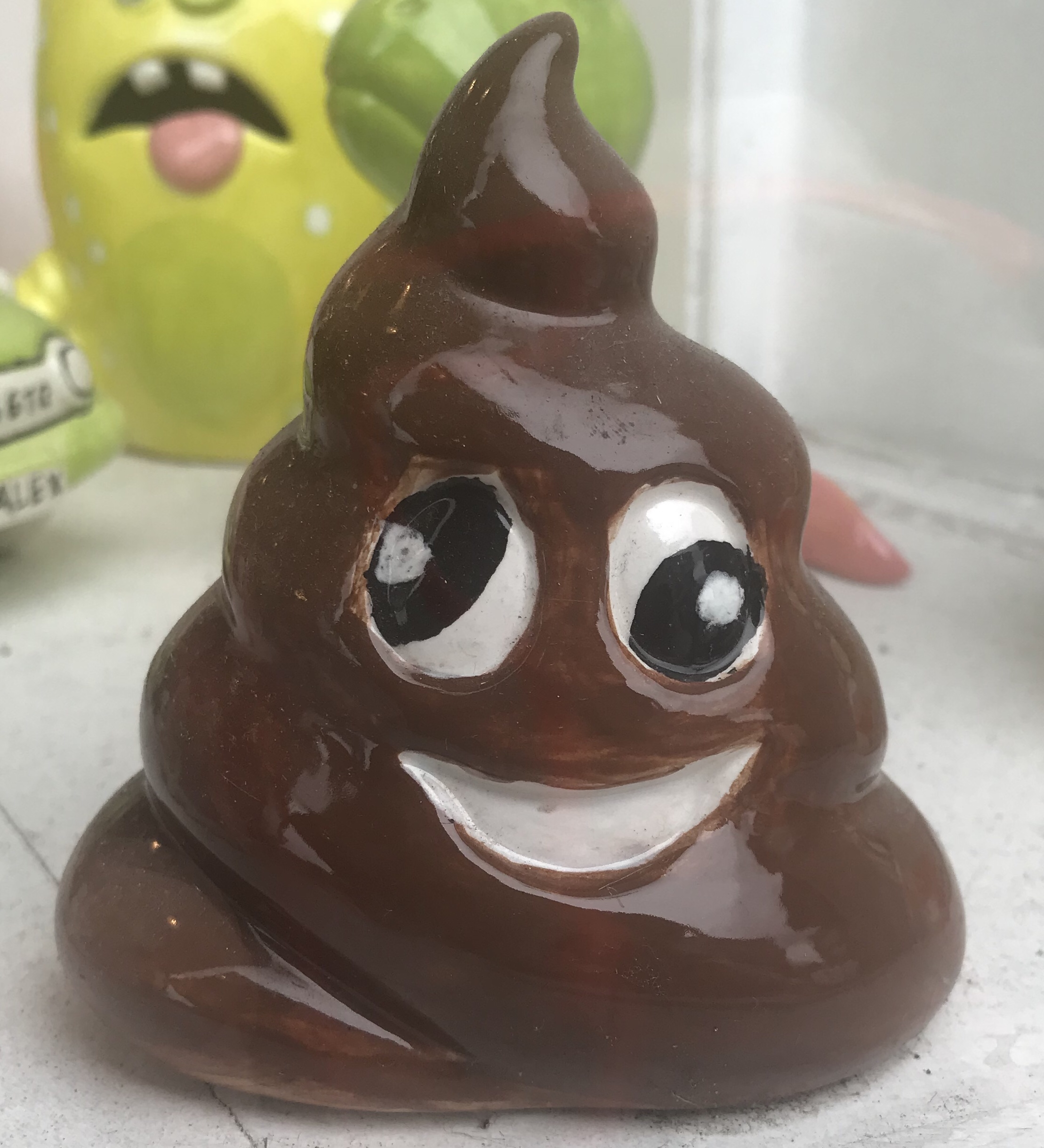
Poo!!!!
Yes, you read that right!
So the museum, being about water, talks about the River Thames and the Victorian sewer systems.
You can even paint a pottery poo. This is at Potter Potter in Putney, we frequent this place often.
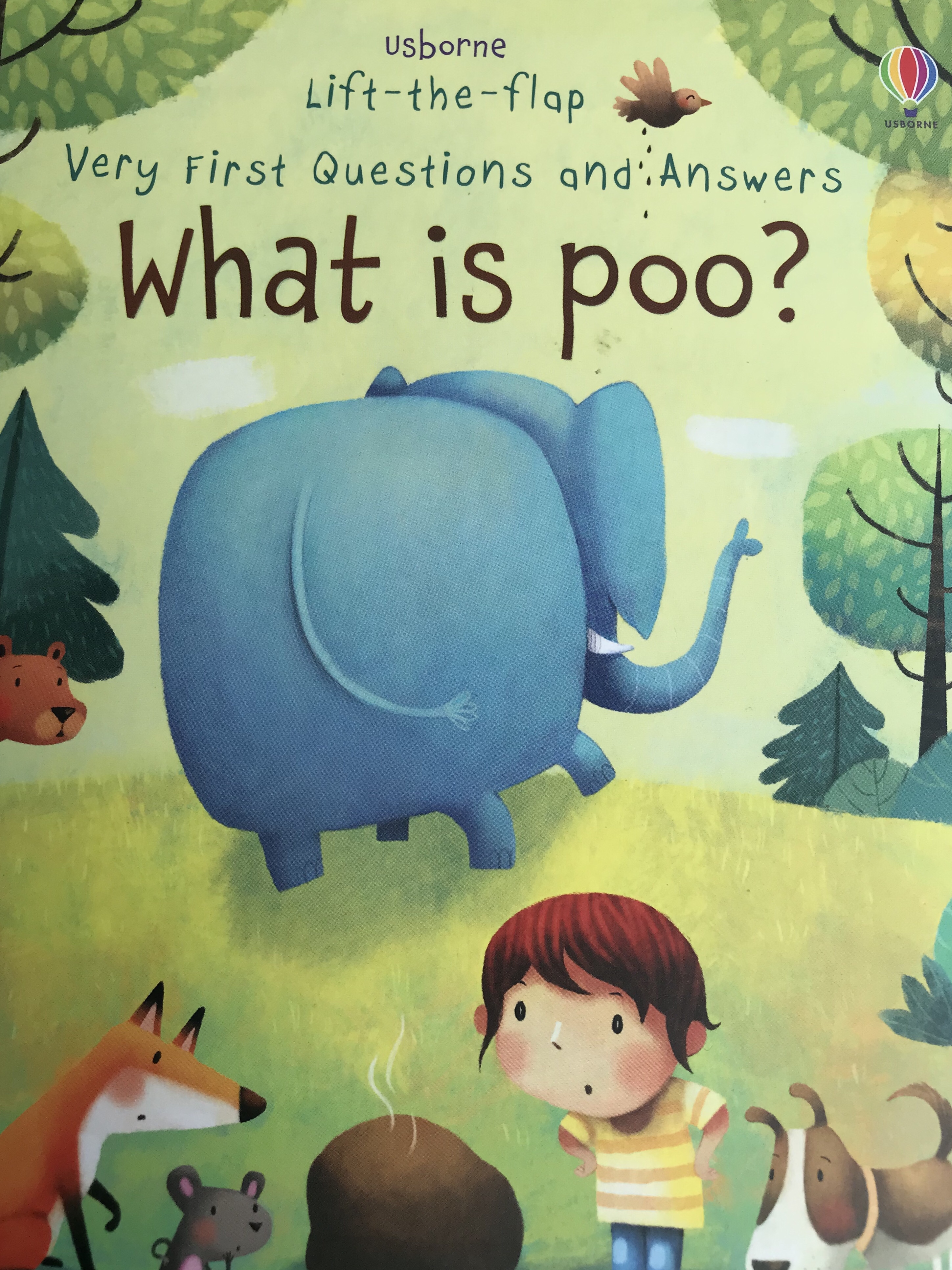
What kid doesn’t love a story with poo in it? This is a lovely lift the flap non-fiction book that we bought at the museum. G3 that I look after keeps telling us facts.
What is poo? By Usborne
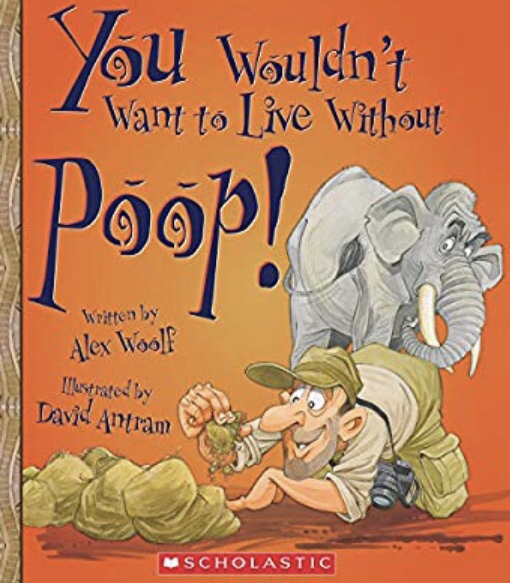
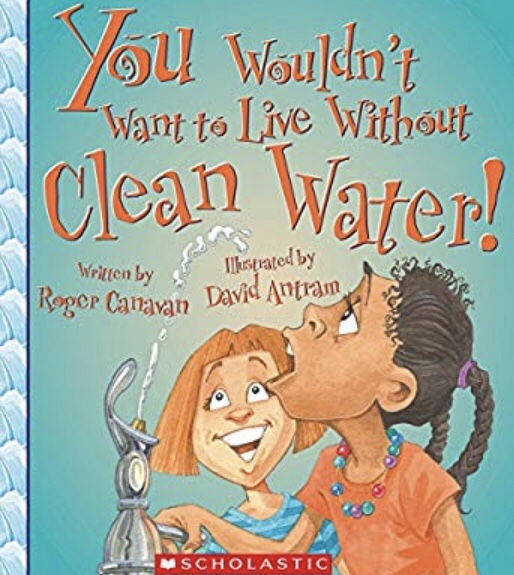
For our older learners (above 8) there is a fun selection all all sorts of topics called “You wouldn’t want to live without…”
You wouldn’t want to live without poop! By Alex Woolf, illustrated by David Antram (Photo credit:Amazon .co.uk)
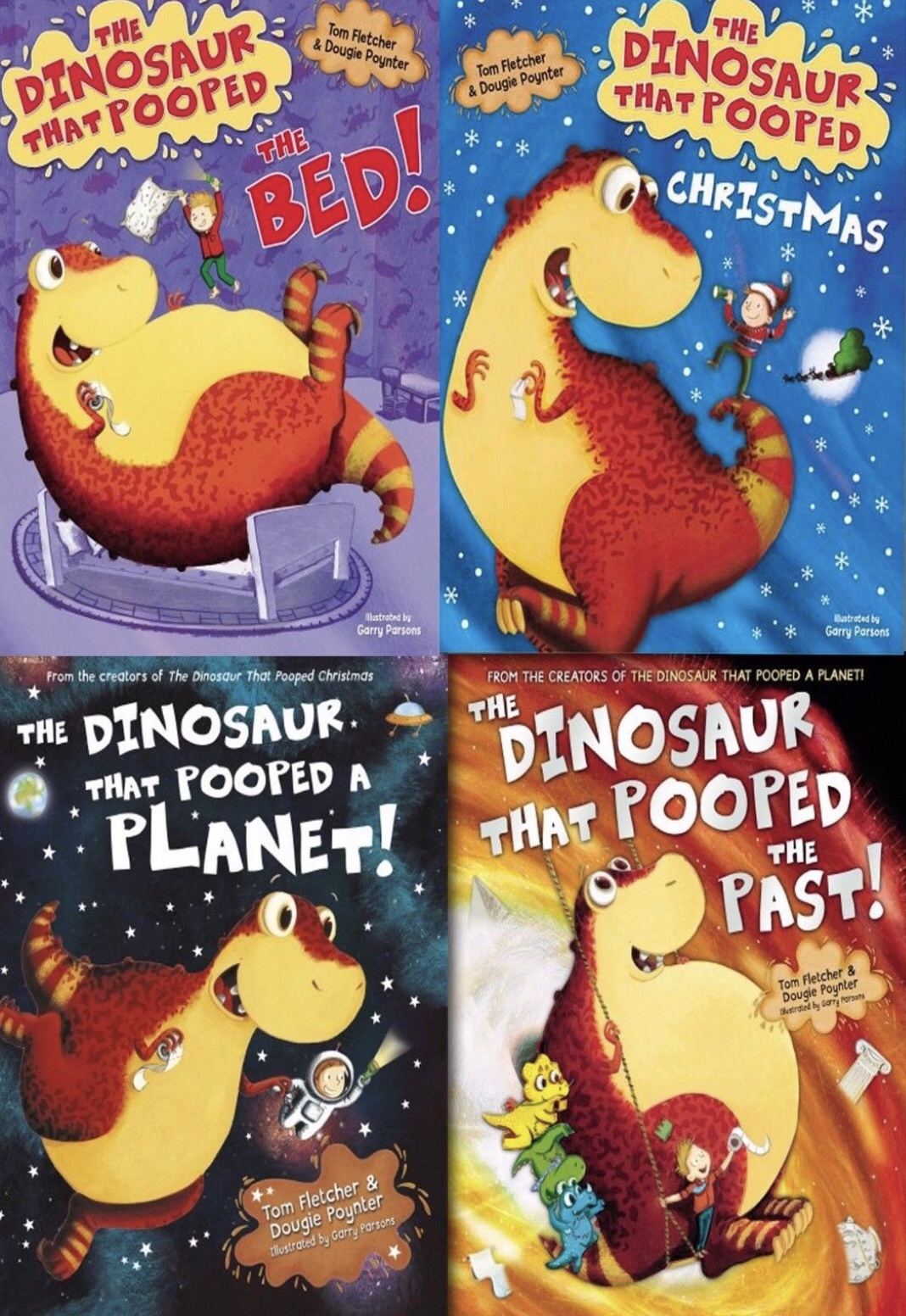
I love Tom Fletcher, I also love watching him and Giovana Fletcher on my FB. Lovely couple with lovely children. Plus, all children have a giggle at his books.
The dinosaur that pooped…series by Tom Fletcher, illustrated by. Gary Parsons(Photo credit: lowplex.com)
The poo topic obviously lends itself to potty training antics but again, that is big enough for a blog all by itself!
Water
There’s two parts to this section, water play and saving water. We will start with water play.
Another anecdote that is in my book is when I was a very young, new, naive nanny on a cruise ship for a private family, we bought the children a toy boat in Germany. Having only a shower in my cabin, I decided to “plug” the hole to fill up the bottom of the shower with some water so the boys could play. But the plug hole wouldn’t unblock and I spent a lot of time draining it, worrying that I’d have to confess. Luckily, I got it unblocked and the boys had an awesome time.
Bathtime water play and learning
You can buy letters and number toys that stick to the side of the bath. We used to make words from the letters or pick out a number and match the ducks. It always reminded me of the soup in that children’s tv show that was on.
Also, you can get bath friendly pens or paint. I only do this when I have plenty of time to clean the bath after, however; I also “train” my older children to clean the bath themselves while they still sat in it- or they can’t have the paints/pens in the bath again.
Wilf, Manchester (aged 1) and his Daddy in the paddling pool.
Swimming is great exercise and totally counts as water play. Sometimes, public swimming pools have family times where they have inflatables to play on. Check out your local one.
In Richmond (London), they have a public outdoor swimming pool.
But water play doesn’t have to be clean! And with the weather like it is in our wonderful British summer, get your wellies on and go for a jump in those muddy puddles! Why not collect sticks and stones and build bridges or stepping stones for fairies or little creatures?
Saving water
The museum has awesome freebies that you can use, the child-friendly ones are water eco action cards which are a little like top- trumps cards and a timer for your shower (which can also be used to time how long your little ones brush their teeth)
The museum has a little tv in the first section where the children can press coloured buttons. The last two buttons show child-friendly cartoons on how to save water in the kitchen and in the bathroom. See below for books on saving water and a website to help get clean water for children across the world.
More to books…
You can get books for in the water. Sometimes, if we have ran out of time in the day to due to a ballet class or play date, I will sit outside the bath and hold g5’s reading book as she reads.
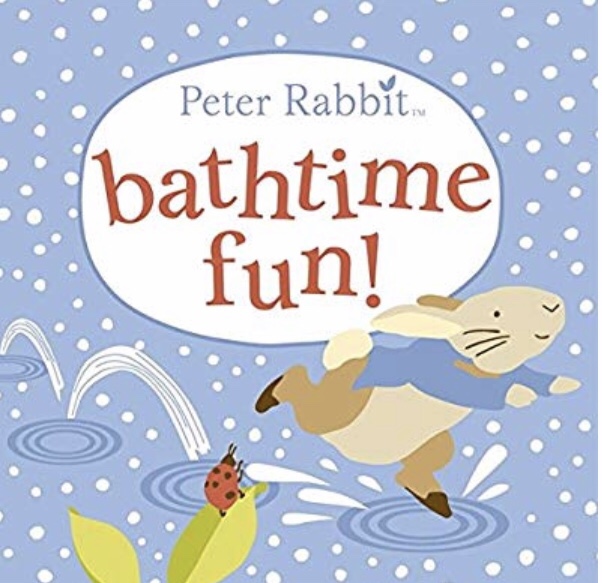
Peter Rabbit Bath time fun by Beatrix Potter (Photo credit: Amazon.co.uk)
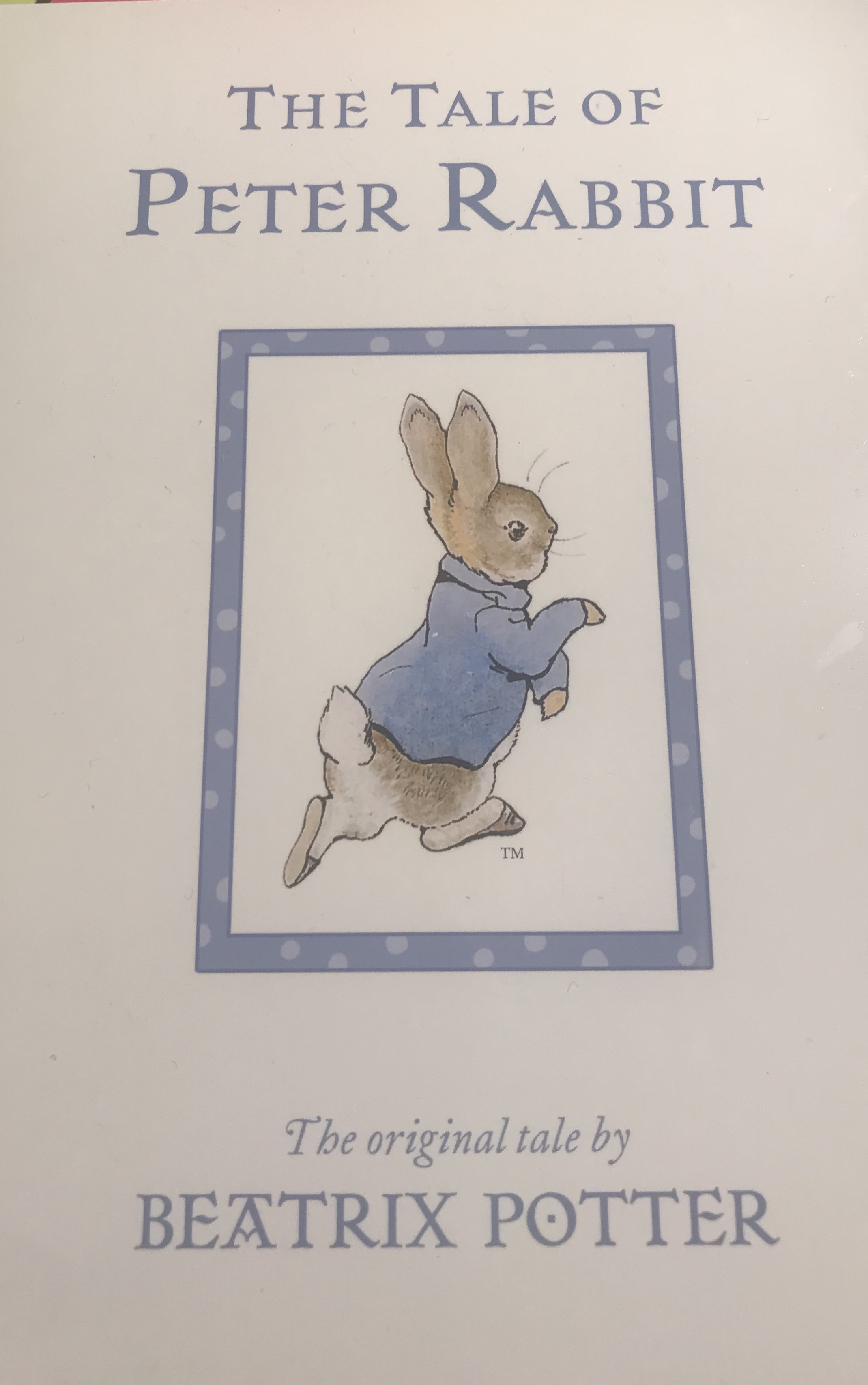
Linking to last weeks blog, for our very young learners, introduce them to the Beatrix Potter characters.
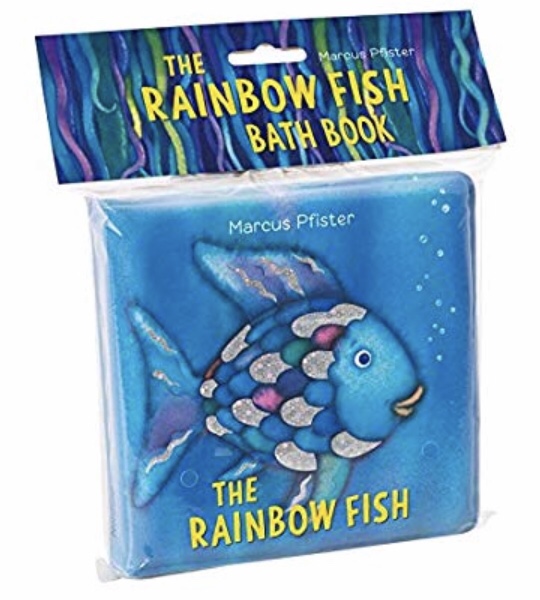
The Rainbow Fish Bath Book by Marcus Pfister (Photo credit: Amazon.co.uk)
Do you remember the hose pipe bans in summer across England? I’ve been as a travel nanny to Cape Town, Africa during the water shortage where water is so limited that in the public bathrooms and some restaurants the taps were cut off and the toilets were flushed with grey water.
This next book is about a models childhood called Georgie Badiel and she is making efforts to make sure all children across Africa and the world to have access to clean safe water.
I am so in awe ofBeatrix Potter. I love the little world she’s created and the loveable characters she has shared with us. There was always be a place in my heart for Jemima Puddleduck as my Mums’ childrens’ day nurseries are called Puddleducks but I think my favourite characters have to be Flopsy , Mopsy and Cottontail or Mrs Tiggywinkle.
Visit an allotment, just like Mr McGregors garden! Or pop in to your local garden centre to buy some vegetable seeds.
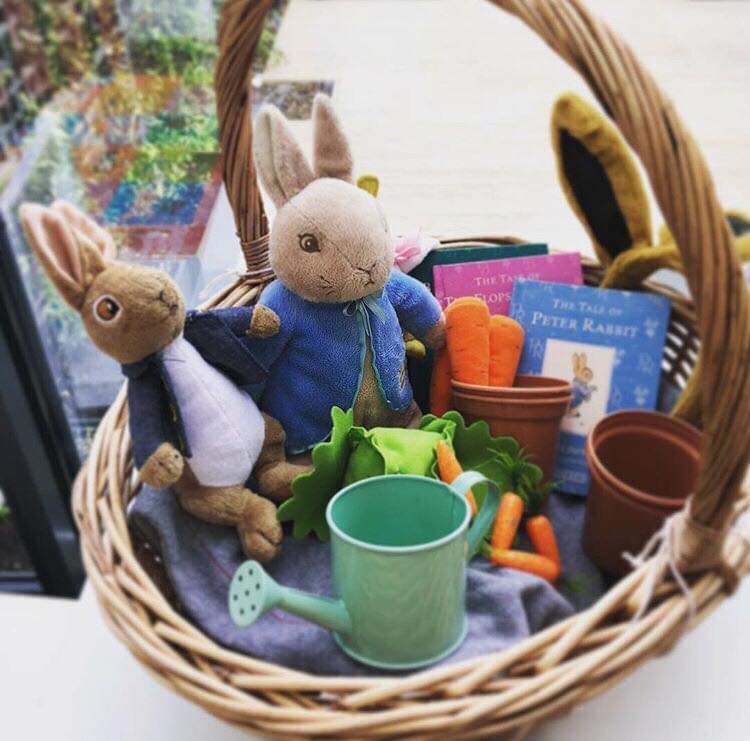
Go to the park or your garden and collect leaves, sticks and other things in nature to make a setting for your Peter Rabbit.
Planting and small world
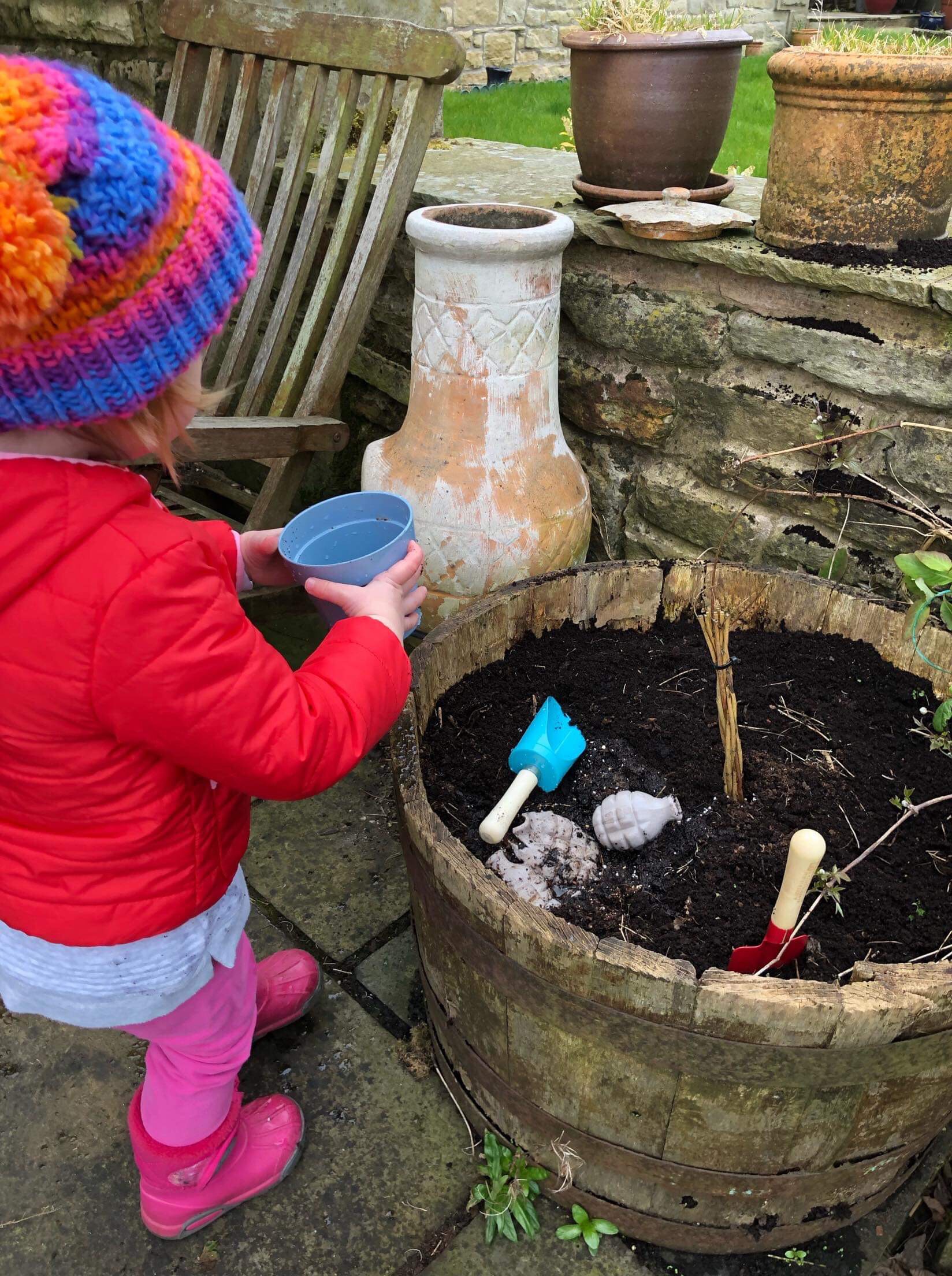
Just like sand play, use buckets and spades with soil. Use little plastic animals and role play in the soil with them.
Who knew you could by special soil just for children?!!!
You can get a kg of soil for Wilkos for a couple of pounds but you do have to be careful that it’s “child-friendly.”
On researching this, I also found out you can buy kinetic soil! It’s like kinetic sand which is awesome by the way- but soil- for indoors! For the weather we’ve been having in England, this might be the best option!
Counting and number play
Peter Rabbit- a counting book
To make it a learning activity, print and laminate Peter Rabbit characters as well as numbers and put in the soil. (I say print an laminate as it is a relatively cheap way- even better, draw them with your children on card and stick them in, then recycle them after the fun)
When they pull out a number, see if they can pull out that many characters to show they know the corresponding quantity. This can be up to 3, 5, 10 or 20.
Alphabet and phonics play
To make it a literacy activity, print and laminate the alphabet (and phonics sounds for older learners) and print out characters and things in a garden (or draw on card) that begin with that sound (eg P for Peter, R for Rabbit, G for garden) or have that phonics vowel in. (Eg aw in lawn)
You can even put words in such as Rabbit, flower with the corresponding picture for them to dig out and match.
Grow your own vegetable garden with this handy child friendly kit if you’d like more guidance.
The World Of Beatrix Potter (Photo credit- hop-skip-jump.com)
If you are wondering where to visit in the holidays, plan a trip to Windermere to the World of Beatrix Potter. I’m a huge world traveller but I think there are some amazing places to visit close to home too. I dragged a (now ex) boyfriend here in return for watching a football match about 12 years ago. I think England lost!
Peter Rabbit is a cartoon and also has a live action film which is actually airing on Sky Movies Family on Friday 14th June in the UK at 11.05am and 8pm.
Theatre
Where is Peter Rabbit book
Catch Peter Rabbit at the theatre this summer in London. They recommend it for Four plus.
It’s worth looking through your coins with your children. Separate them into different values which will help them with numbers and coin recognition, but also, there’s a fancy Peter Rabbit one in circulation, which may increase in value. So one to hold onto if you do find it- good luck!
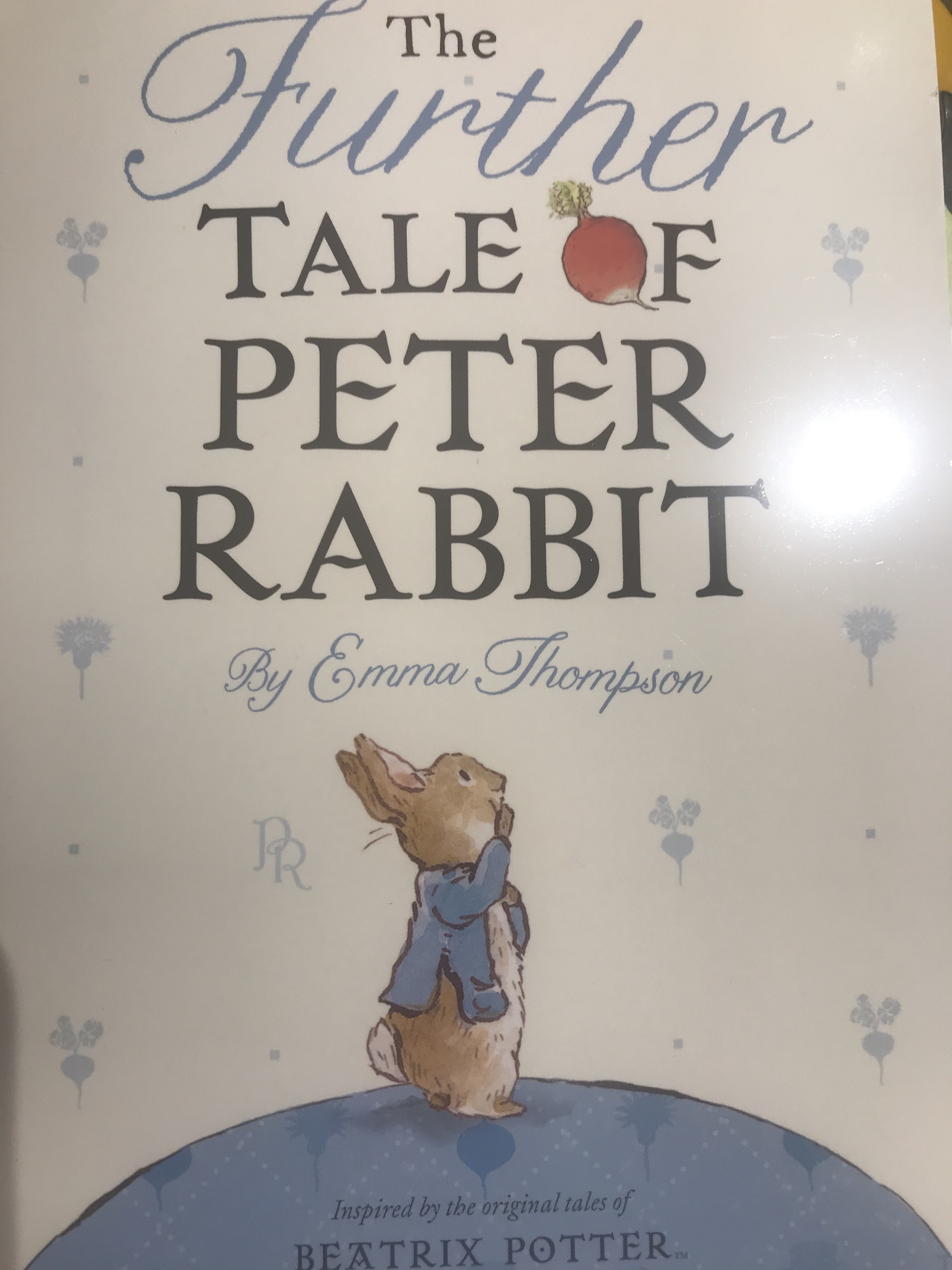
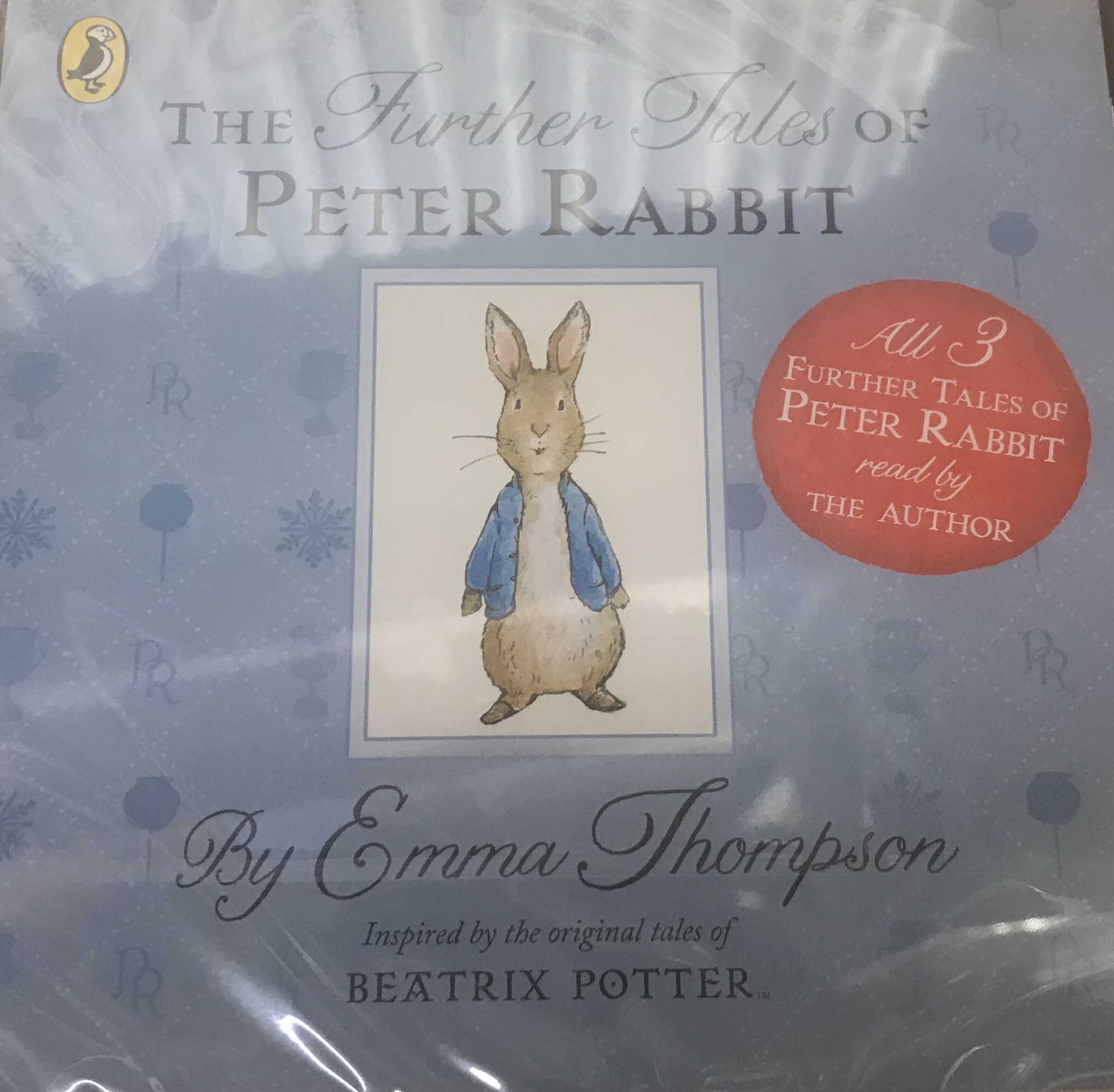
Emma Thompson has written three more books called the Further tales of Peter Rabbit.
The Further Tale of Peter Rabbit by Emma Thompson
And to show there really is more to books than reading, get a cd copy to listen in your car for the nursery run/school run, travelling to ballet, drama club, football etc
The Further tales of Peter Rabbit. Read by Emma Thompson
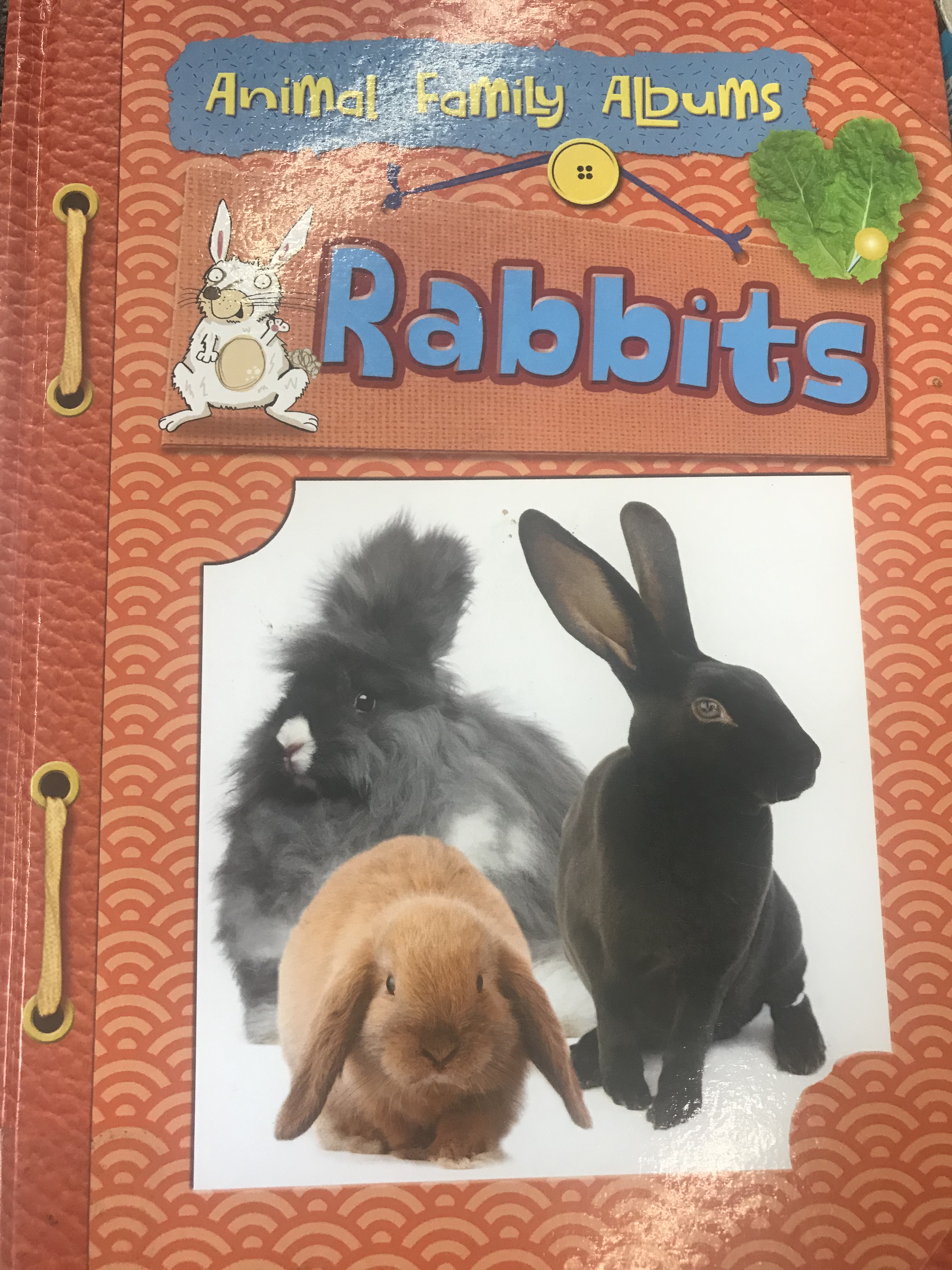
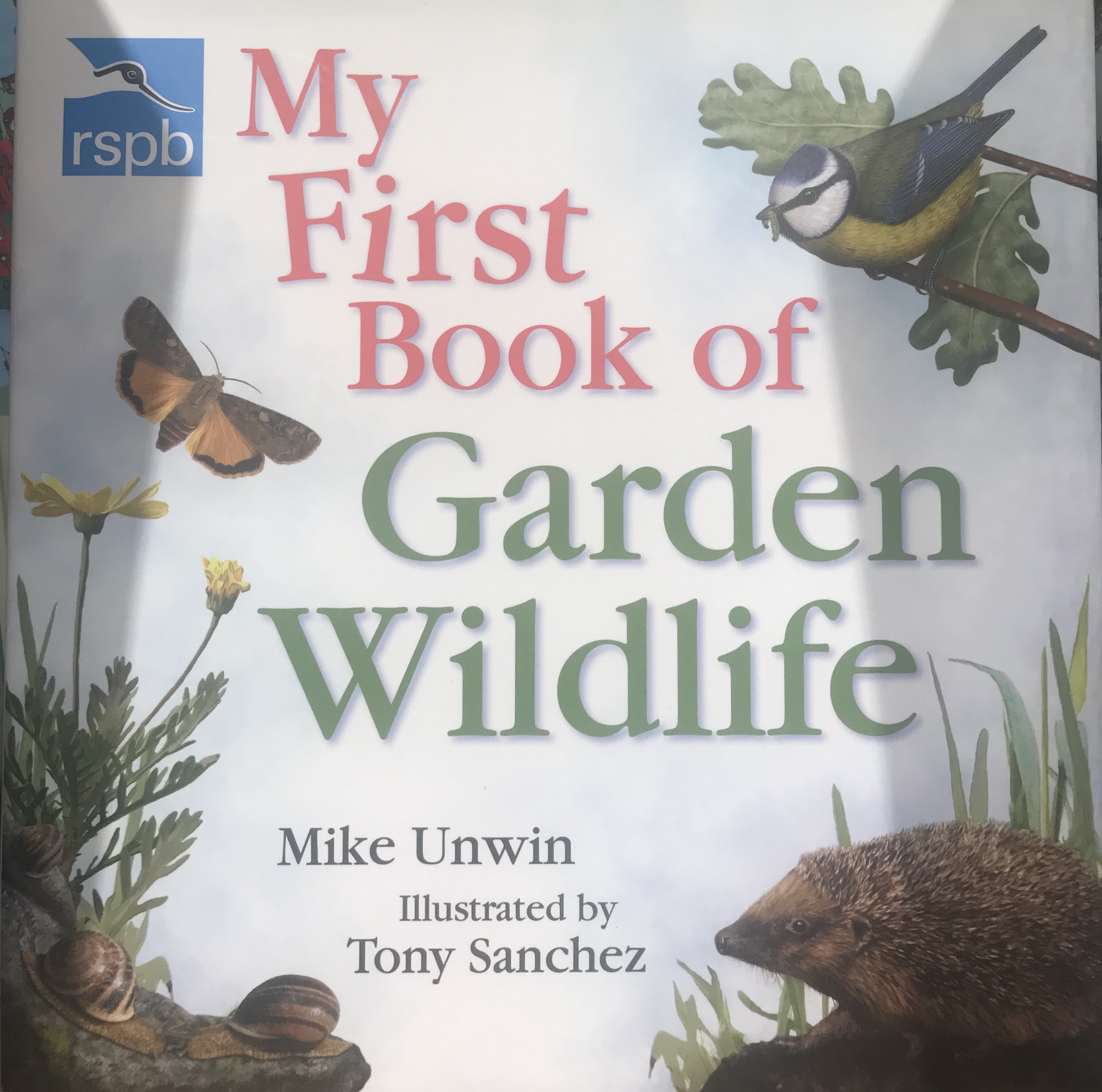
I love non-fiction as much as fiction books. I believe the best way to use them is to do it hand in hand. This is a library find- whatever animal the main character is of a book, use it as a learning opportunity to find facts about that animal.
Rabbits by Charlotte Guillain
My First Book of Garden Wildlife by Mike Unwin, illustrated by Tony Sanchez
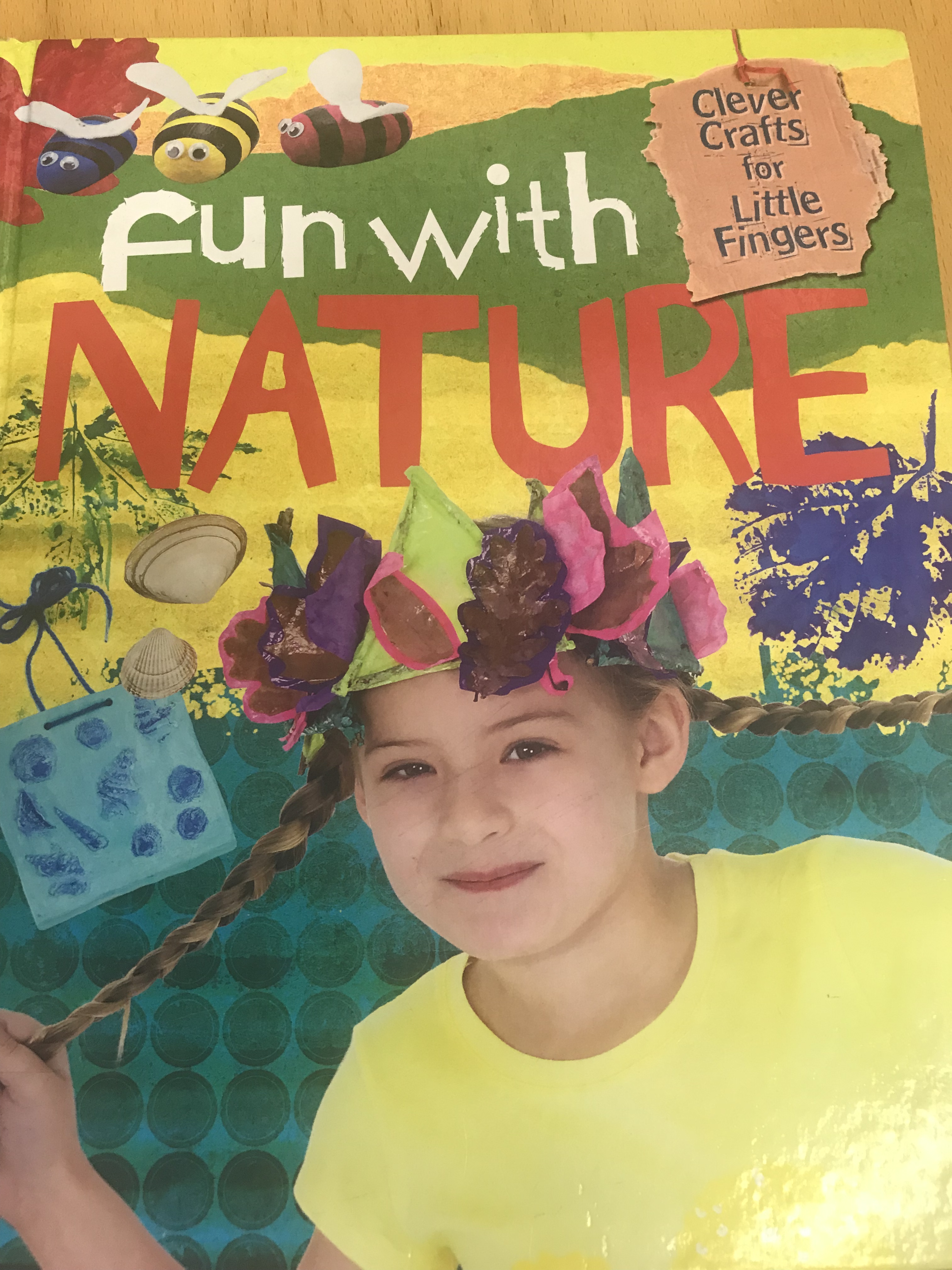
I love crafting and this next book is the perfect link between collecting things in your garden and being creative with your child.
Fun with Nature by Annalees Lim
And don’t kill me for this idea!!!! But maybe for older learners, think about getting a Rabbit!
But make sure they read up about the responsibility before you do.
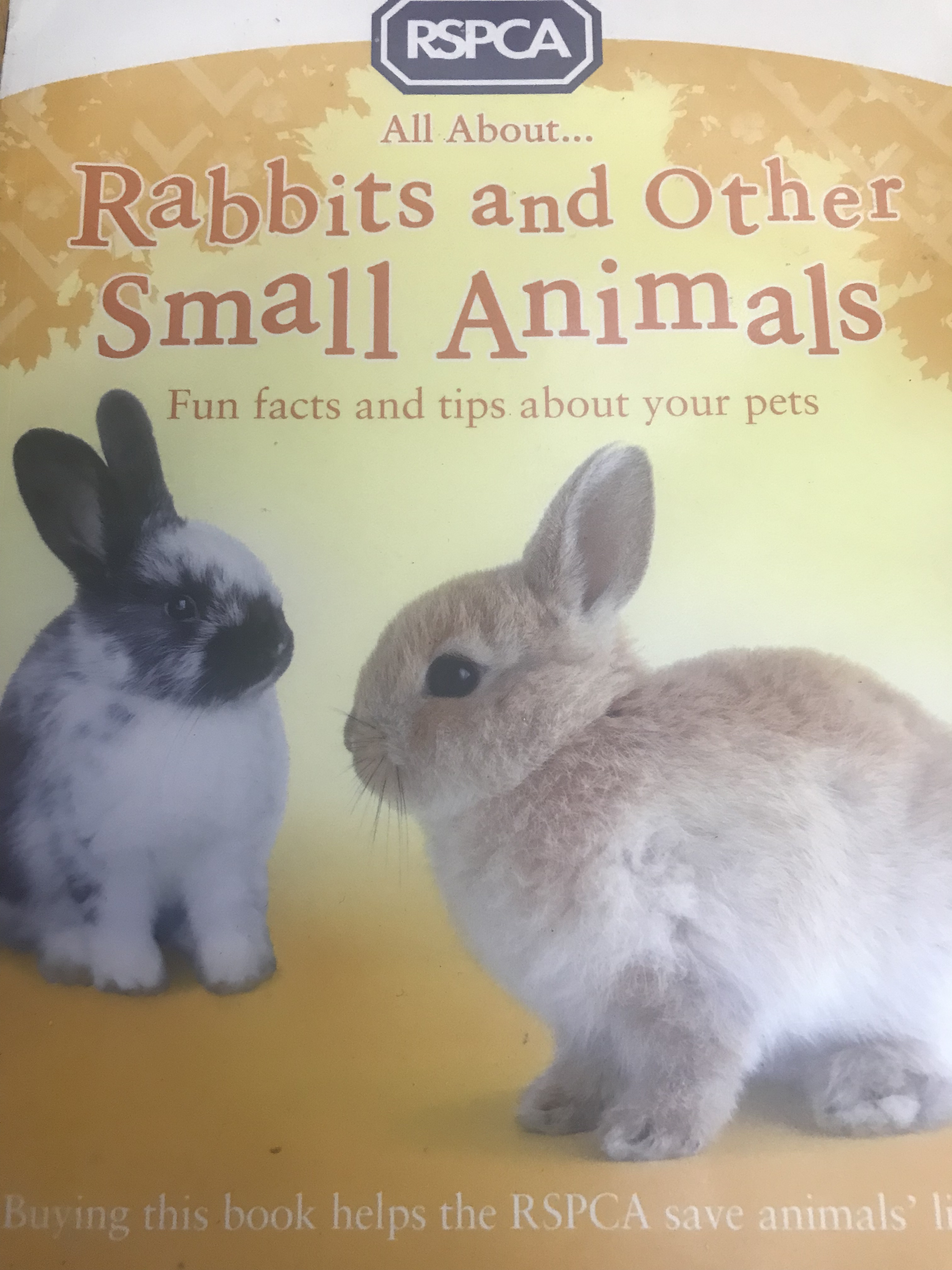
All about Rabbits and other small creatures by Anita Ganeri
Share a pic of your child with their favourite Beatrix Potter Character:
Harry, Ramsbottom (aged 6 months) with Peter Rabbit soft toy
Laiq, Rochdale (aged 3) dressing up as Peter Rabbit
At the Hive in Bolton at an Easter Peter Rabbit Trail
Show me your planting pictures with your child:
Taylor, Waterfoot (aged 4) engaging in soil play
Emilia, Oswaldtwistle (aged 2 and a half) digging and planting
Thank you to the wonderful parents that have already shared pictures of their little ones.
To have your child feature in this blog or future blogs, email your pictures to moretobooks@gmail.com
I spoke to my mum about this blog- she owns several nurseries in the North West of England, and said that her children are too young for this. I don’t think so. I think it’s never too early to introduce your children to them. To anything, in fact. I once read that if your child can say “tyrannosaurus Rex” then they can say any long word.
It will set them up better for when they do need to know what they are for. Especially if they have older siblings, they will just get more chance to consolidate it.
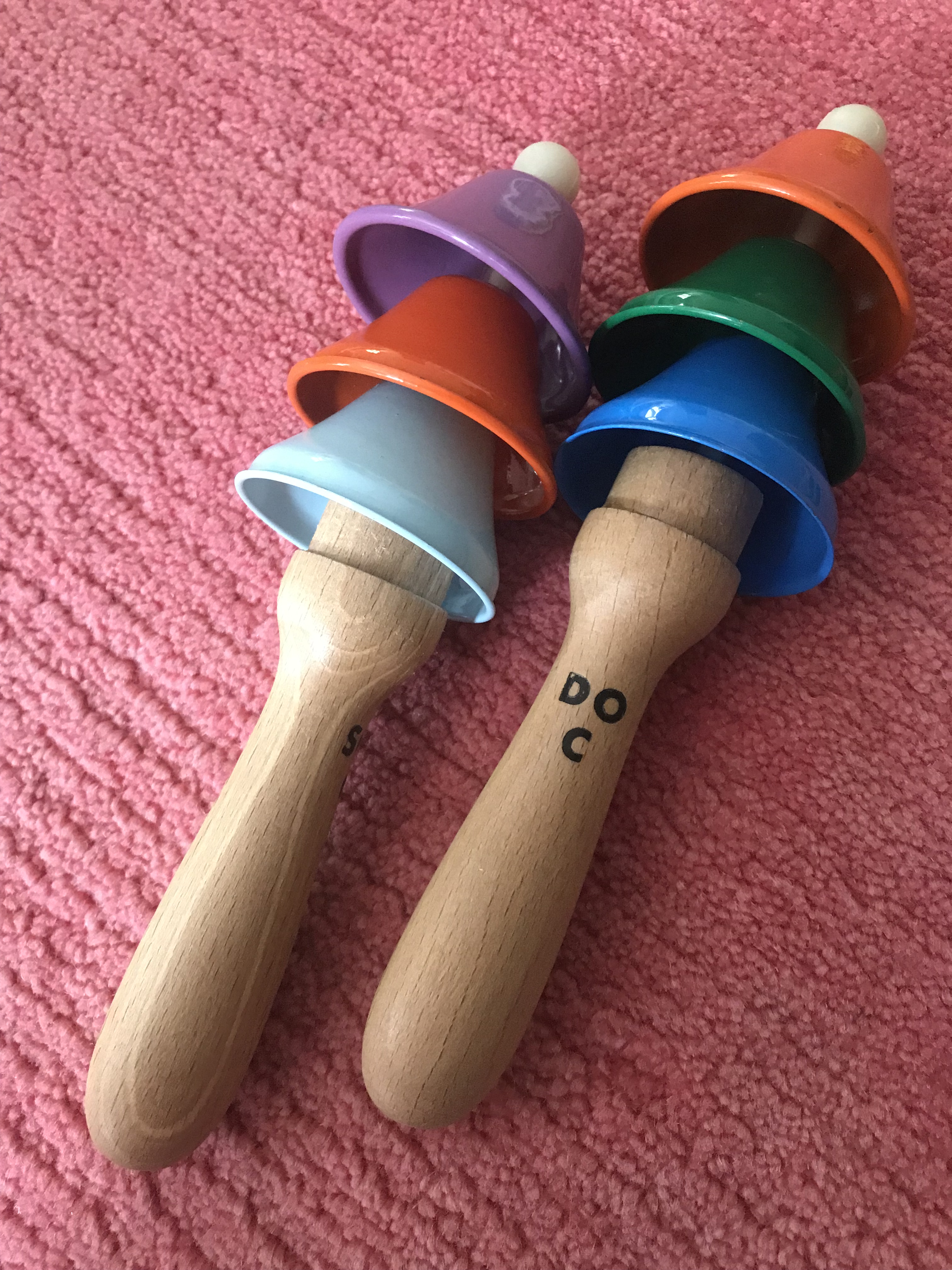
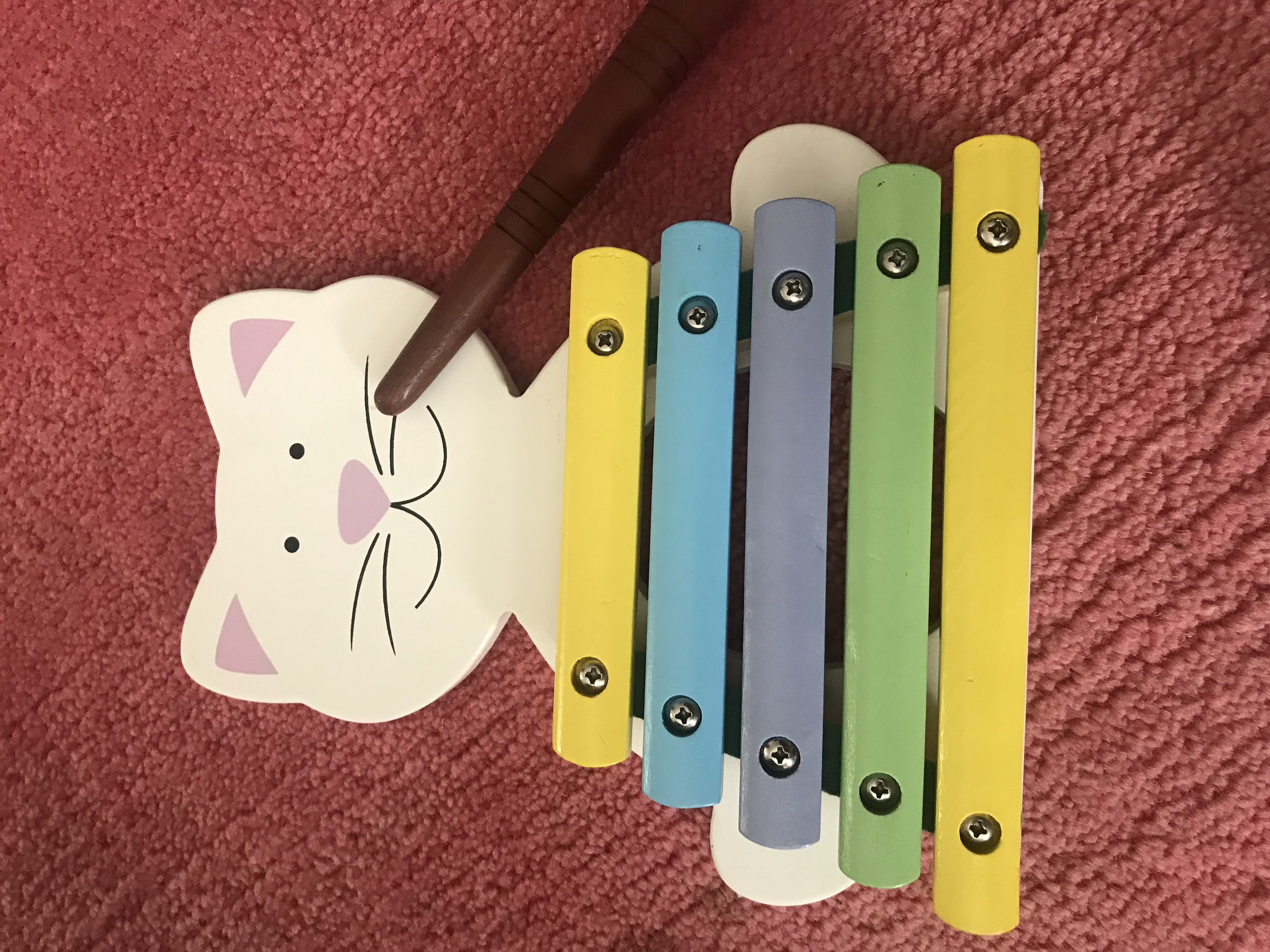
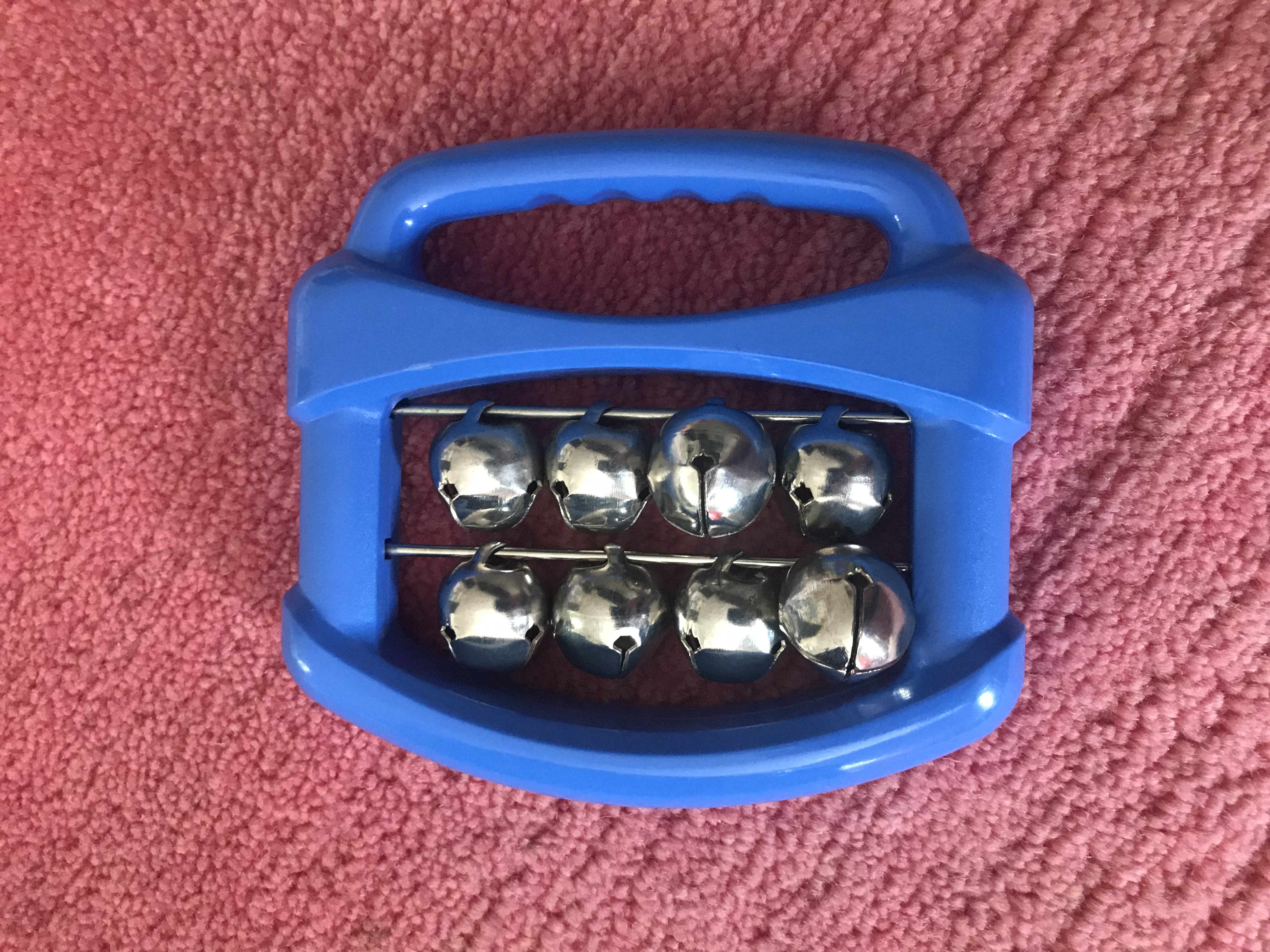
Bells are a shaking instrument
Children in Early Years and Key Stage one should learn the difference between shaking, banging and scraping sounds. When thinking about a punctuation mark, you can talk about which type of sound lends itself to those kinds of sounds.
If you have musical instruments in your house then great, but you can either just use things around the house such as two spoons to clink together, an upside down mixing jug as a drum etc or even body percussion which you’ll read about in Maths and Musical instruments near the end of this blog.
With your child, choose what sound goes with which punctuation. When I was a Class Teacher, the children would always use a drum for the full stops.
G3 is learning the sound ‘q’ at nursery at the moment!
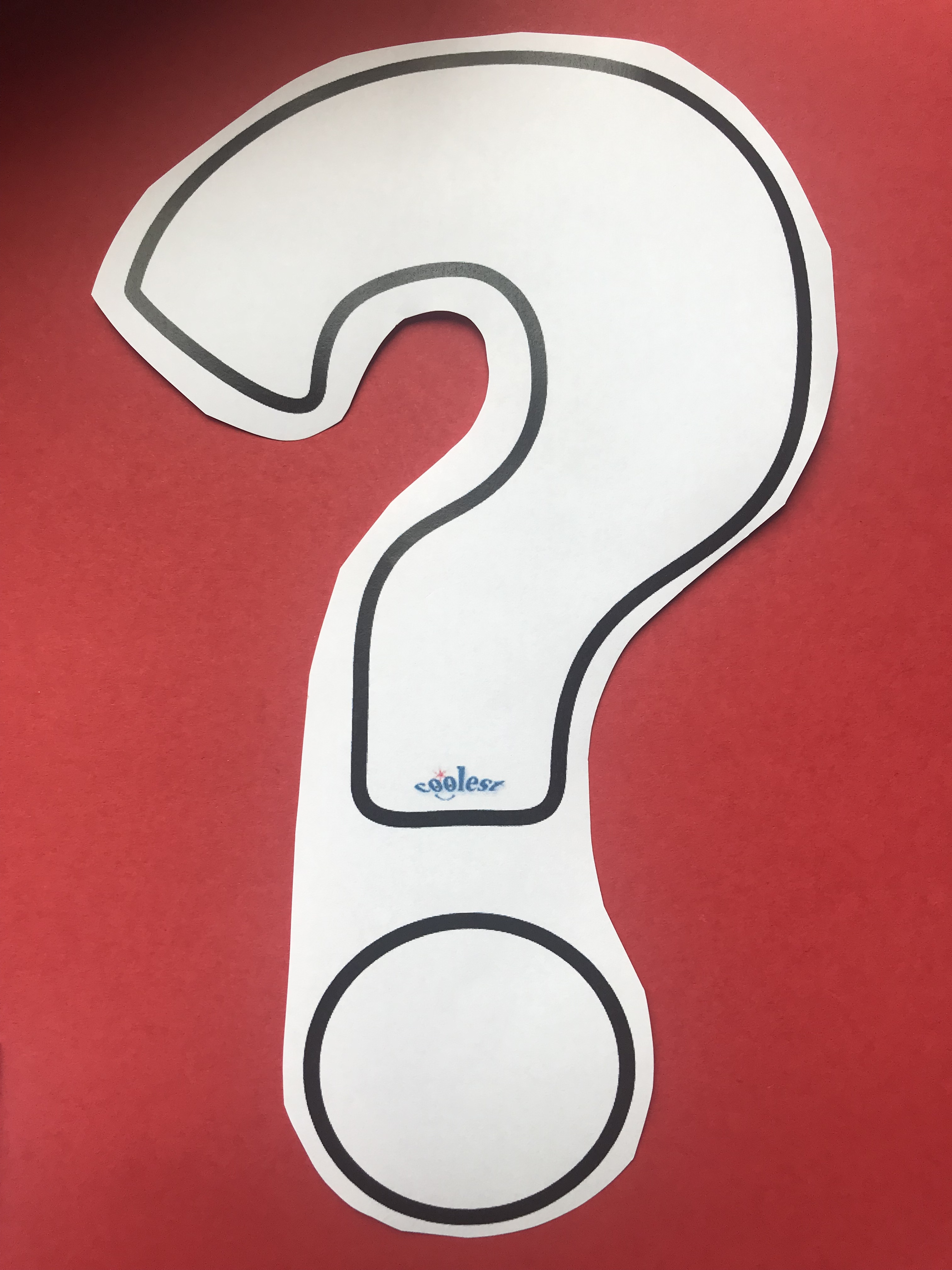
Make your own punctuation prompts by drawing a big one out on paper.
Pick up a book. Choose a book with speech in it as the more punctuation, the better. It will have speech marks but also more likely to have exclamation marks and question marks.
For a capital letter, have a summer cap in front so they put it on and take it off at the beginning of every sentence and for Proper Nouns.
When you start to do this activity, the adult can read the words and say what the punctuation is. So the child just has to look for the capital letters and full stops.
Next, introduce the comma.
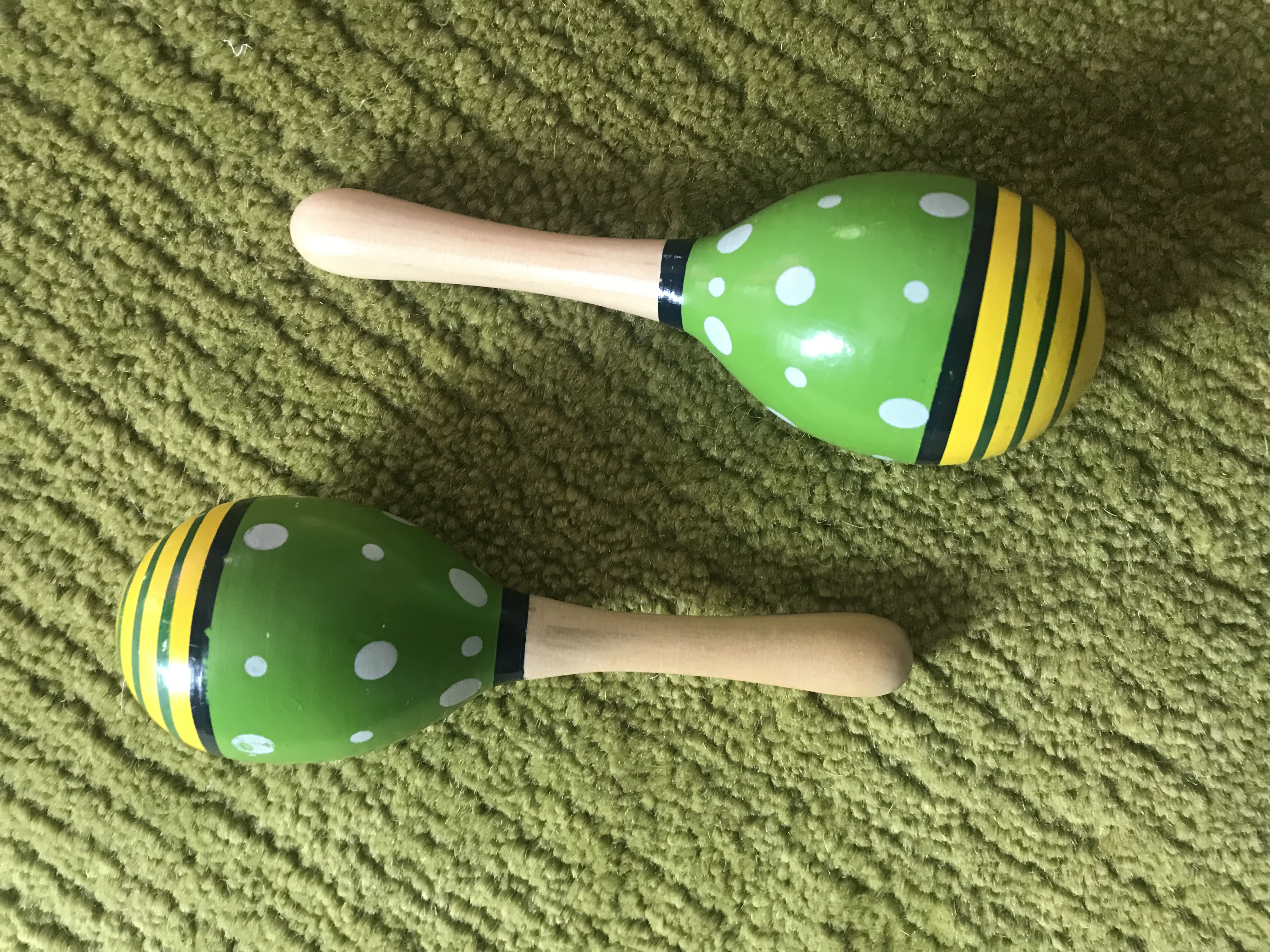
Question marks are always useful for them to recognise. (I usually like a maraca for that)
Then exclamation marks.
Speech marks…(you can either play them at the beginning and end of the speech or the whole time the character is speaking)
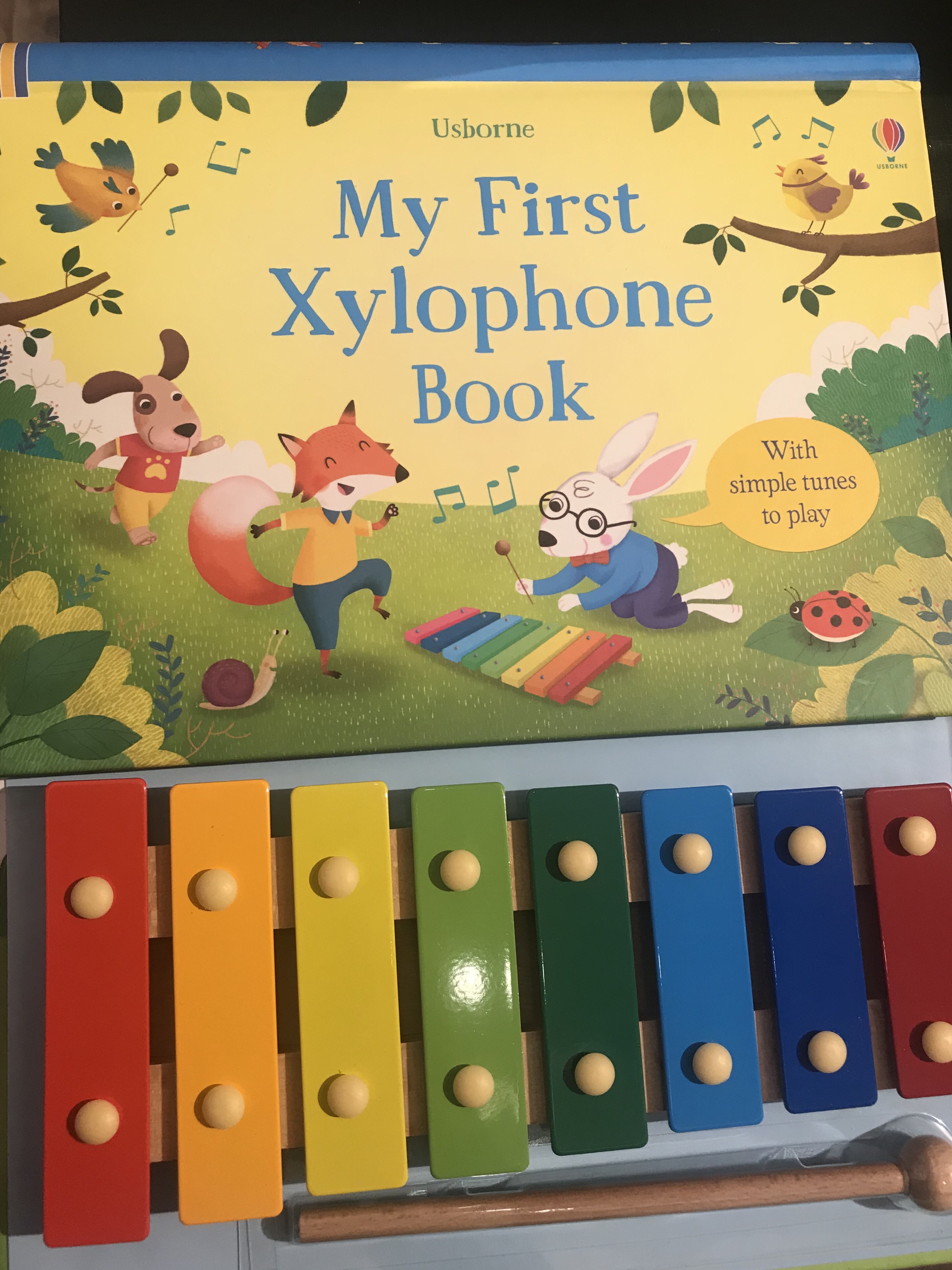
I love ellipsis… (with my children we say “dot dot dot ellipsis”- by doing this, it gets engrained into their heads) the dots can be down by a xylophone.
Maths with musical instruments
Shapes, space and measures also involves learning patterns. Patterns don’t just have to be drawn.
Make your own patterns with instruments. You could even use the punctuation to tell you which instrument to play next, such as:
If the full stop is a drum and the question mark is a shaker, the pattern would be .?.?.?.?.?. So they play drum, shake, drum, shake etc
You can make it with as many sounds as you like. You don’t even have to use physical instruments- your body is an instrument so they could bang their feet, clap their hands, whistle, click fingers (those last two take some practising)
Peter and the wolf
When I was a class teacher in Manchester, We invited the Philharmonic Orchestra to the school to perform this play. The children even got to play the instruments.
For our older learners, Peter and the Wolf is playing at the Royal Albert Hall on the 30th of June. The way they use instruments to portray the characters is amazing.
Essentially, you can pick up any book for these activities. You can even make your own sentences/paragraphs up together.
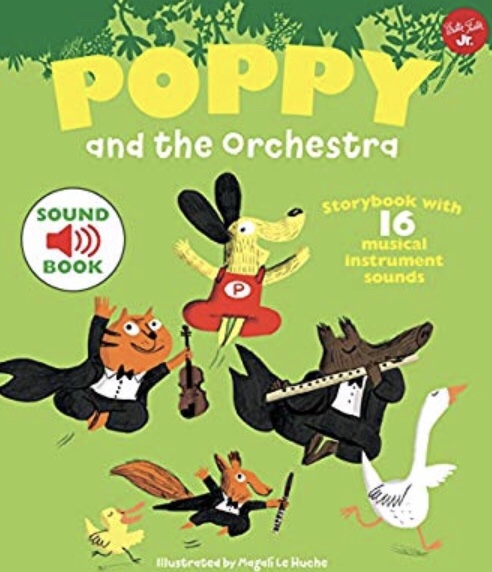
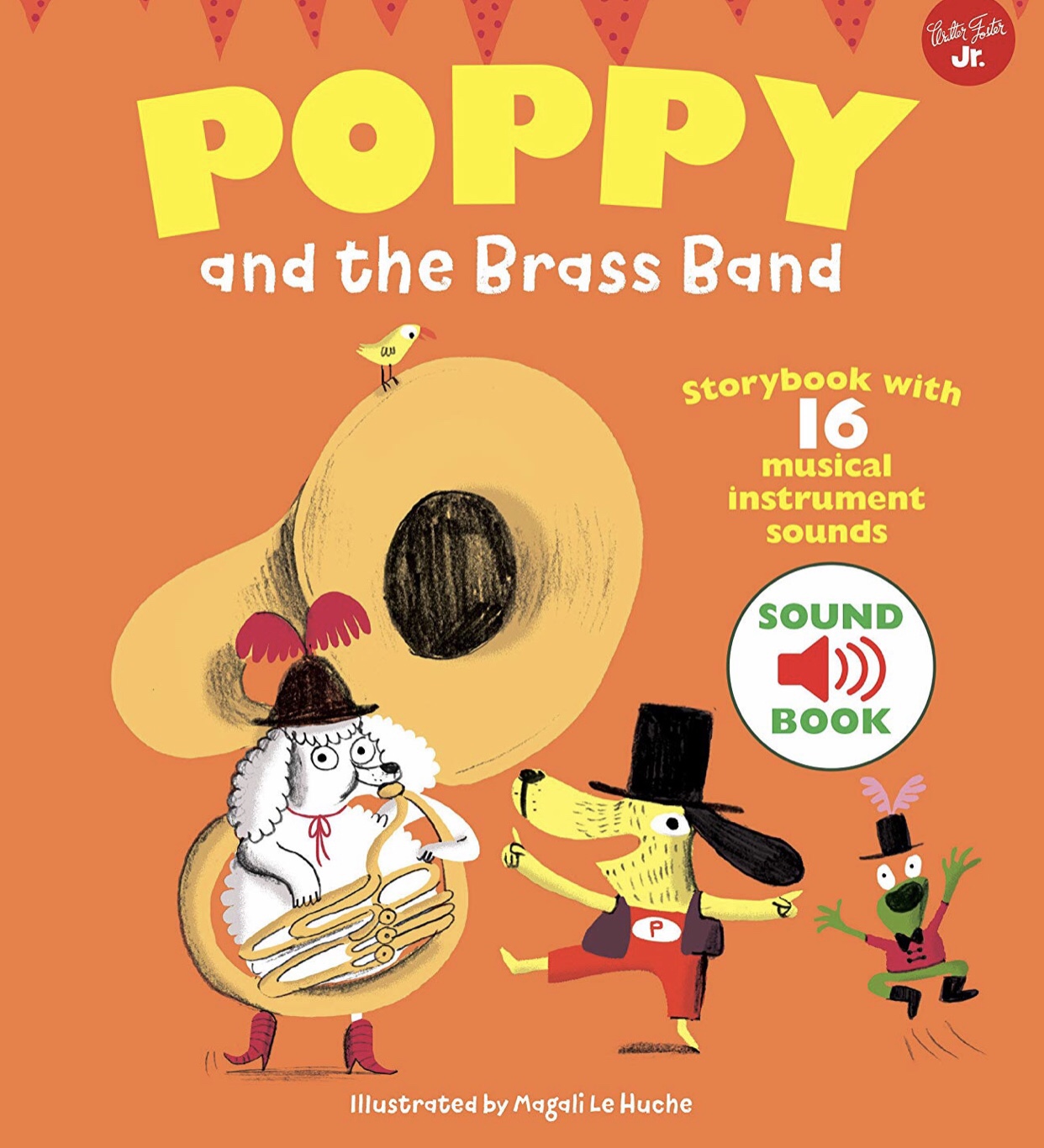
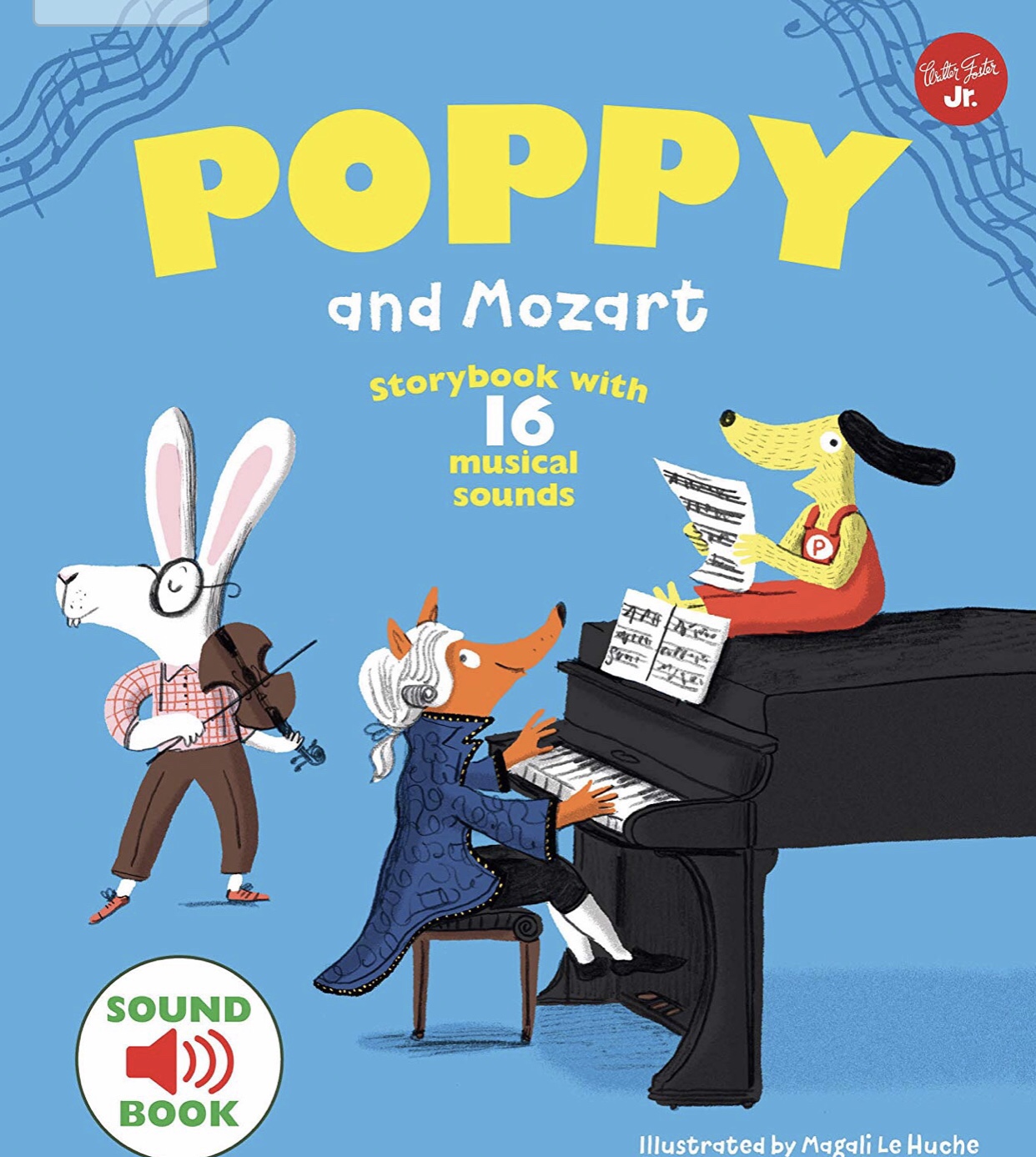
Poppy and the orchestra, the brass band and Mozart are brilliant books to learn about instruments.
They are sound books, so your children can hear the different instruments that they might not usually get access to. (P.s you can use these buttons as part of your punctuation patterns or punctuation sentences)
This is not a blog about counting coins or about taking away- although money is a great tool for that and arguably a needed skill. (You can even use them to help with times tables)
I once taught a little boy in year 2 who had many disadvantages in his life which meant he needed extra support in many areas. He couldn’t read or write but money was his language. He outweighed many of his peers on knowing what coins were which and he knew what coins he should get back in change.
Dr Joanna Martin
Dr Joanna Martin (Photo Credit-One of Many website)
For this blog, I spoke to the amazing Dr. Joanna Martin (http://Oneofmany.co.uk) who said it’s great to get nannies (and parents) to help little people learn about money. In her recent Facebook live, she mentions that herself and many of the adults she works with didn’t have much education on money as children either from parents or school! We can change that for future generations!
Joanna said that the psychology of money in adults is all based around emotions such as fear, shame, anger and guilt so we must bring consciousness to the language we use with little ones to take the emotions out of it.
Her son, James, was given a cash register at about the age of two and Joanna noticed the the language around money felt wrong such as one time he was holding a handful of coins and she said “wow, look at you, you’ve got so much money, you’re so rich!”
So, going forward they decided to speaking about money very matter of factly and just say what was so such as “oh look, you’ve got 1p and 2p, that makes 3p” taking away the language of rich and poor.
So for choosing a birthday present for a five year olds party when James chose a present at £50, they would say “that’s £50- how much we are spending today is around £10 to £20, would you like to choose something around that price?”
As a nanny for very wealthy families, I’m always very conscious that I don’t want my feelings about money to make any impact on the children I work with. Either as a parent or a nanny, Joanna advises us to deal with our own emotional stuff around money so that we can be an example for the children. To normalise the relationship to money.
To make it exciting, Joanna told her son she would reveal the “secrets of money” when he was old enough. For James, it was five years old but she recommends you to do it when you feel your child is ready.
Teaching the rules about money
Make money (the earn phase) to earn money, you have to help people, to add value to someone
Money goes to whoever takes the best care of it- (budgeting) Joanna shares an anecdote of James finding some coins down the back of the sofa and said “no one seems to be taking care of this money, may I take care of it?”
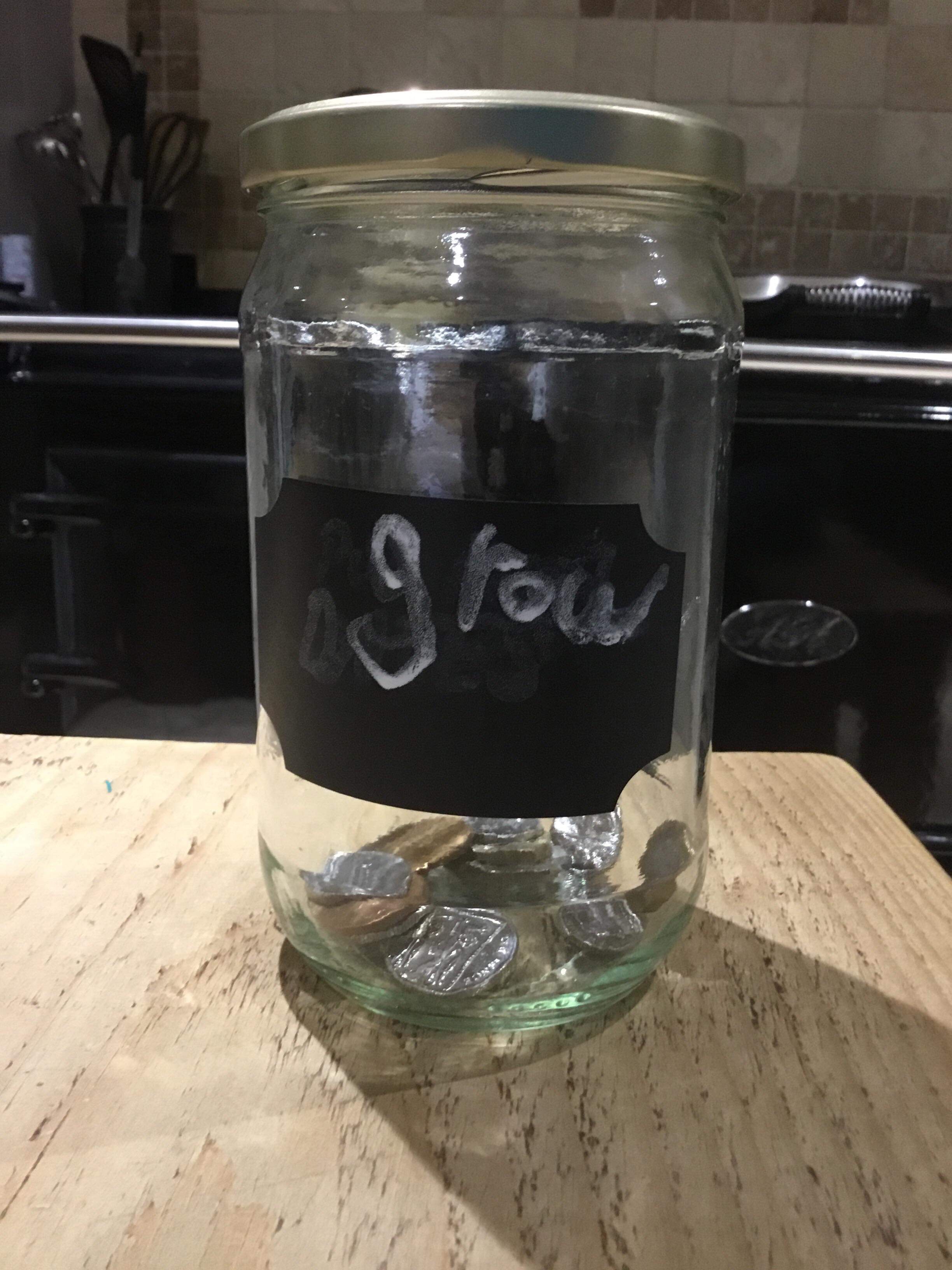
Money likes to grow- (saving) as they are keen gardeners they link the fact that a seed need the right nutrition in the soil, with water and sunlight, money also needs the right environment to help it grow.
On Friday the 7th and Saturday the 8th of June they are holding a Wealth Insights taster (for adults) in London which is four hours. If you’re free, go check it out:
“Grace got her money box at 6 months old for her first Christmas. She also has a savings account which we put money into monthly that we will encourage her to use (with help) when we think its appropriate. I’ve started giving her money and my card to pay cashier’s so she understands the transaction taking place.” (Lorna Thomson, Loughborough)
“I’m doing the help to save account through HMRC for Laiq (aged 3). You in upto a max of £50 per month over a 4year period and once after 2years they give you 50% interest and after the next 2years the same. Should have £3600 by the time its done i think and then all that is going into an ISA for him until hes 18” (Claire O’Dell, Rochdale)
There’s a running theme of banking and saving in Mary Poppins by Pamela Travers. But for younger readers here are a couple of books that introduce the idea of saving and growing money.
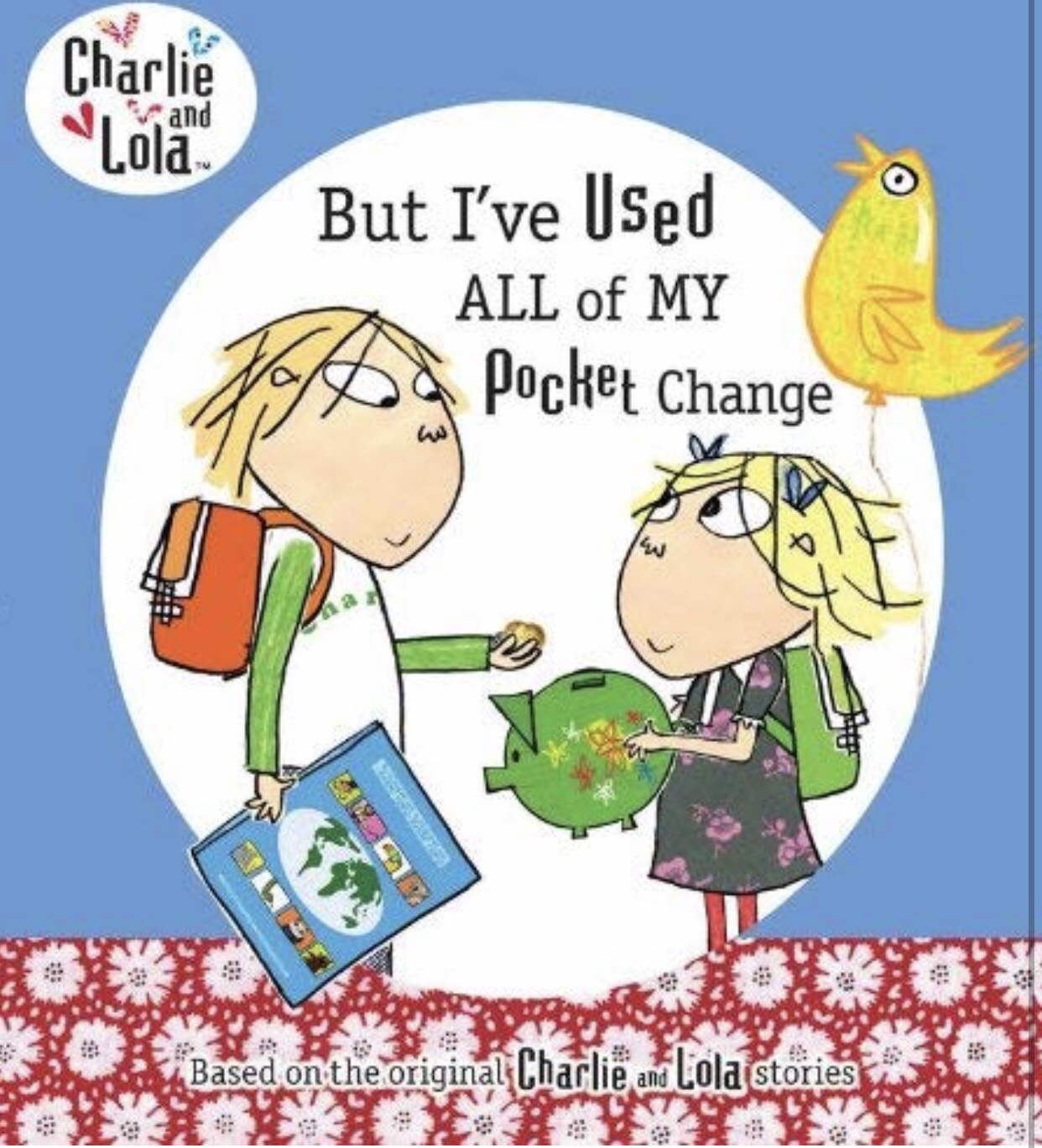
I genuinely love Lauren Child and she has featured in a few of my blogs already. I love how she discusses everyday topics through adventures with Charlie and Lola.
But I’ve used all my Pocket change by Lauren Child (Photo Credit: Amazon.com)
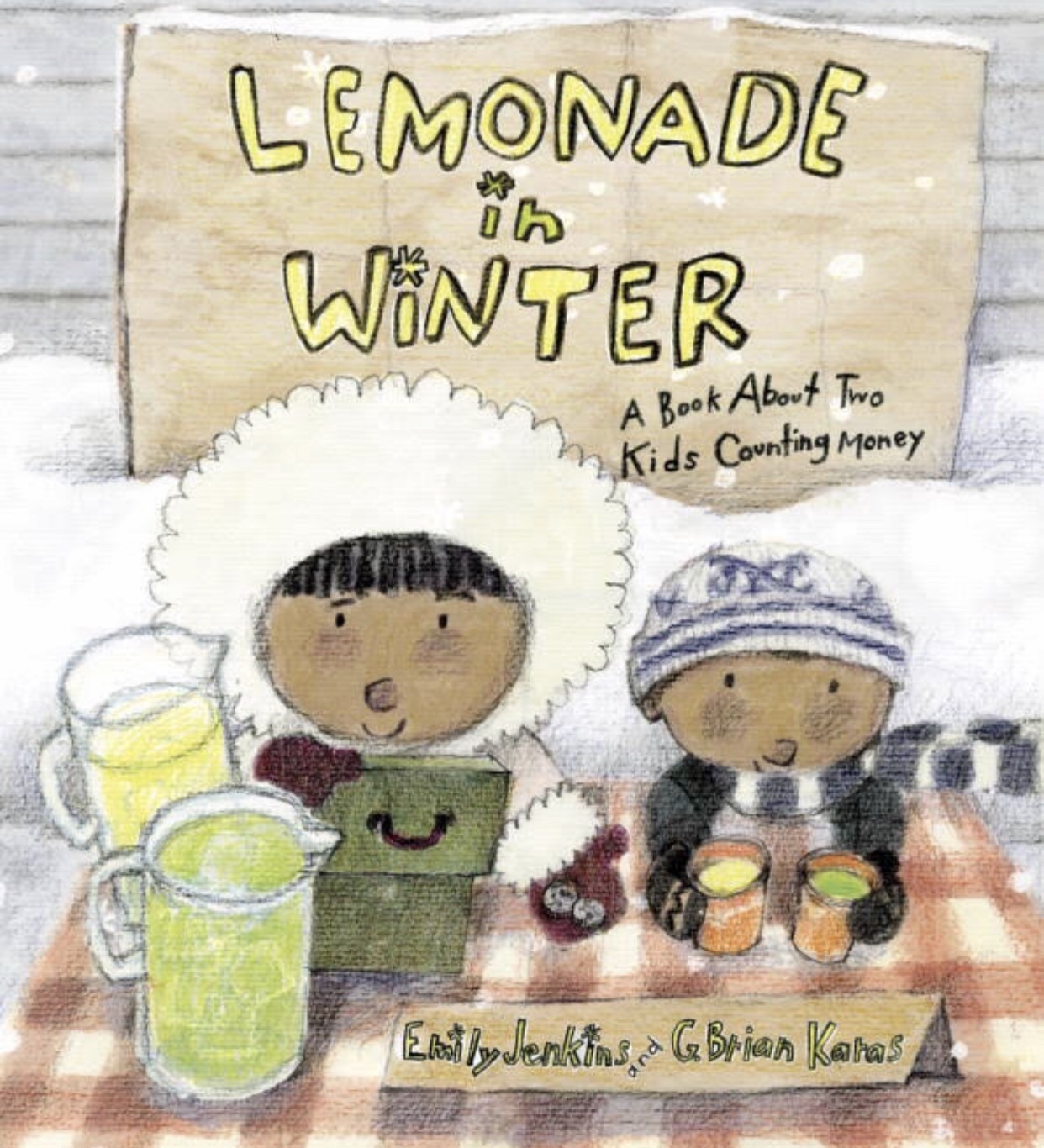
A book for our entrepreneurs:
Lemonade in Winter by Emily Jenkins (photo credit-books.google.com)
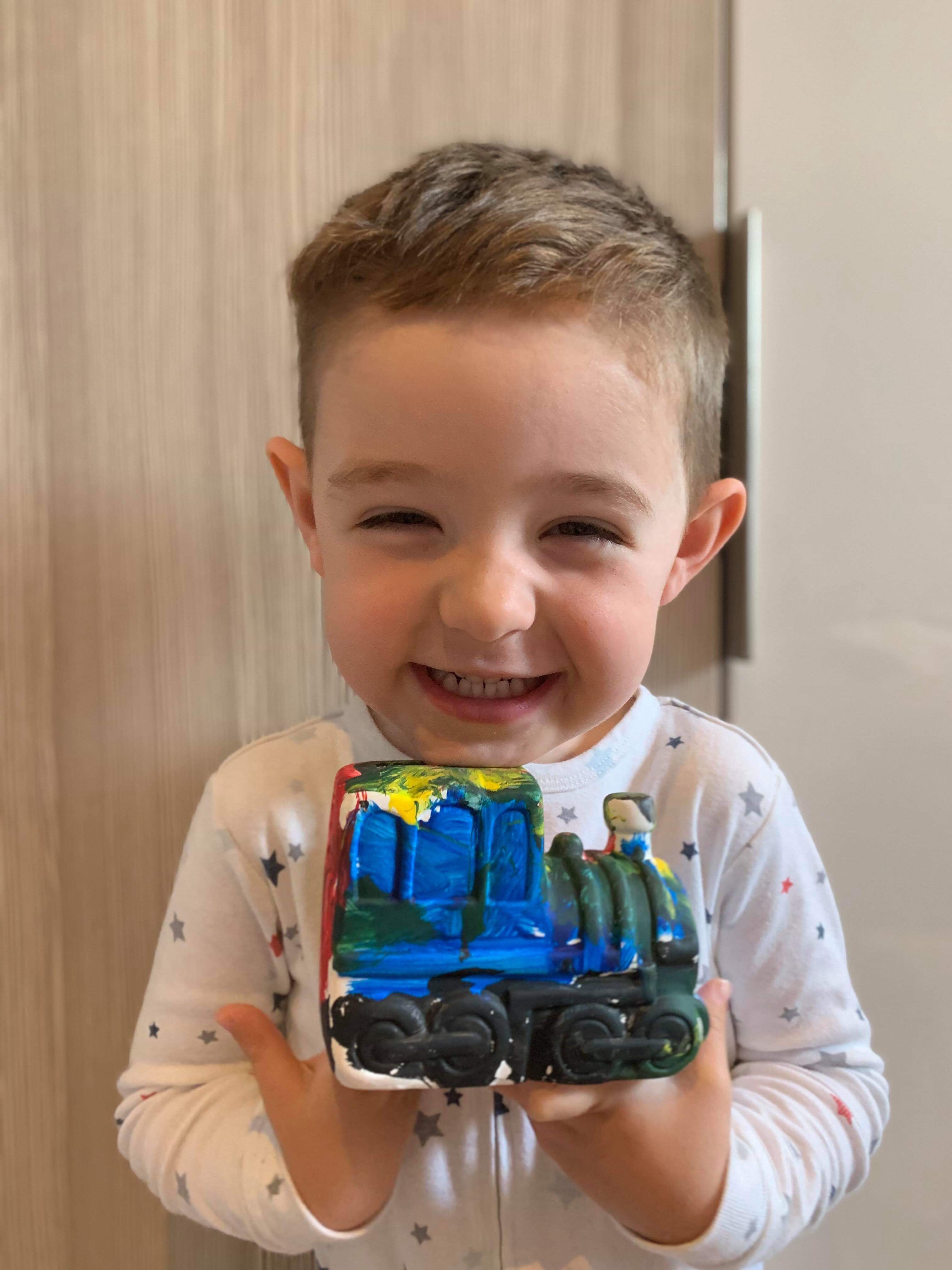
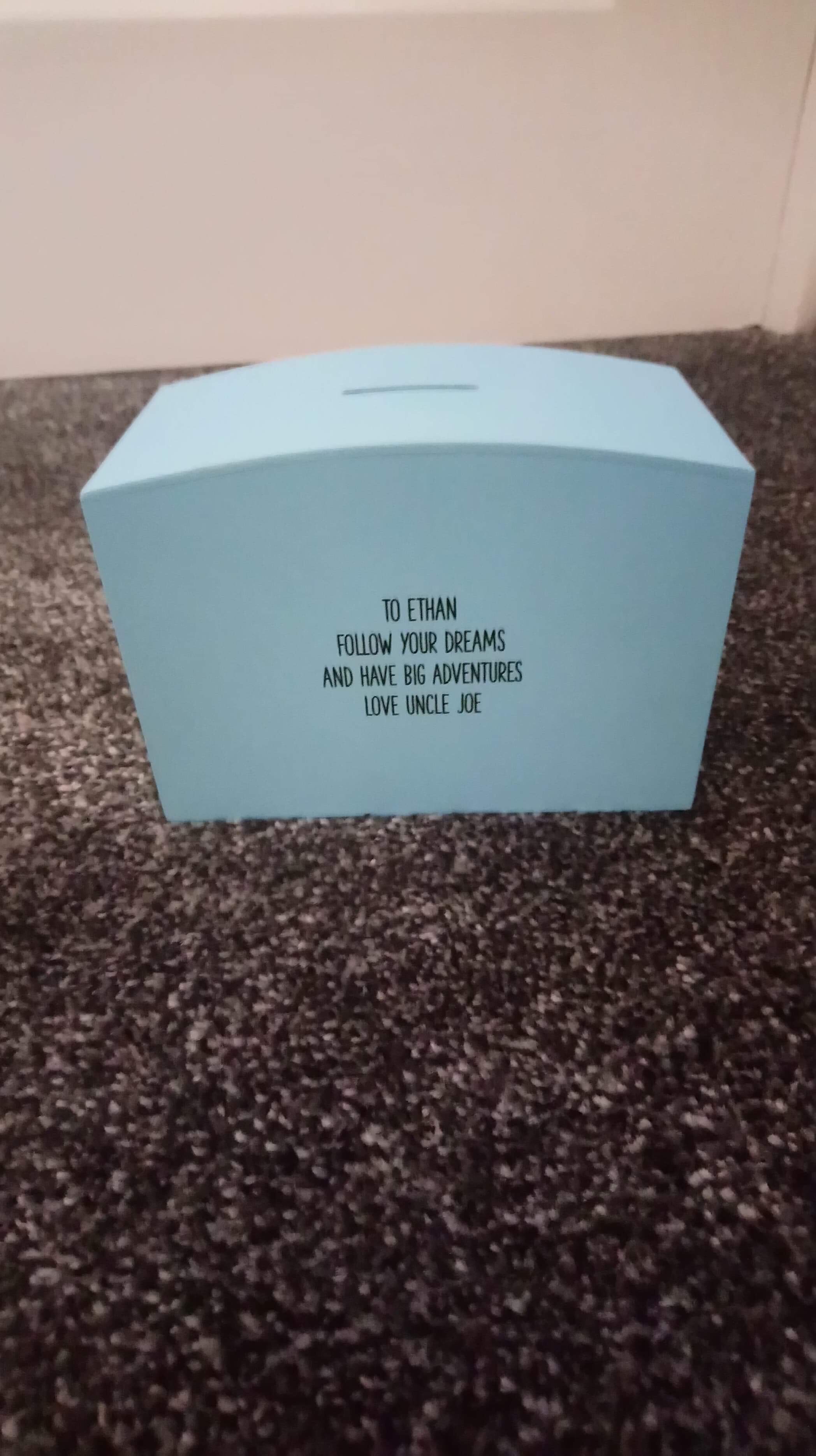
Show me your piggy banks!
Love Kat x
Taylor, Waterfoot, Lancs (Aged 4) with his hand painted Train Bank
Ethan Fletcher’s Piggy Bank, Manchester (aged 20 months)
“This is my sons piggy bank which have pennies given by family or randomly finds around the house. He also has a savings account which I put in money from bdays and pay his child benefit into then he can have when he’s older” (Abby Fletcher, Manchester)



























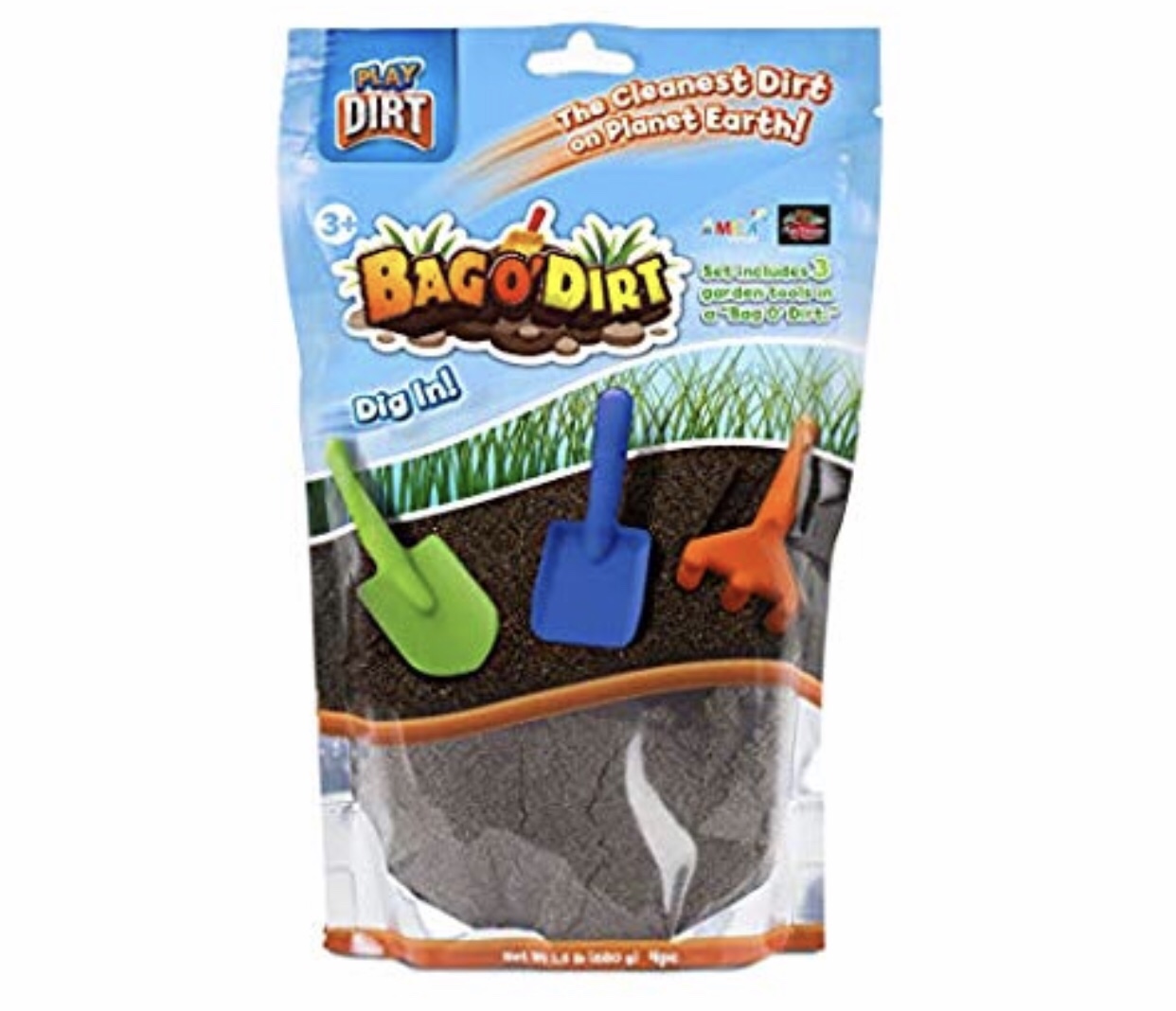 Child friendly soil (photo credit- amazon.co.uk)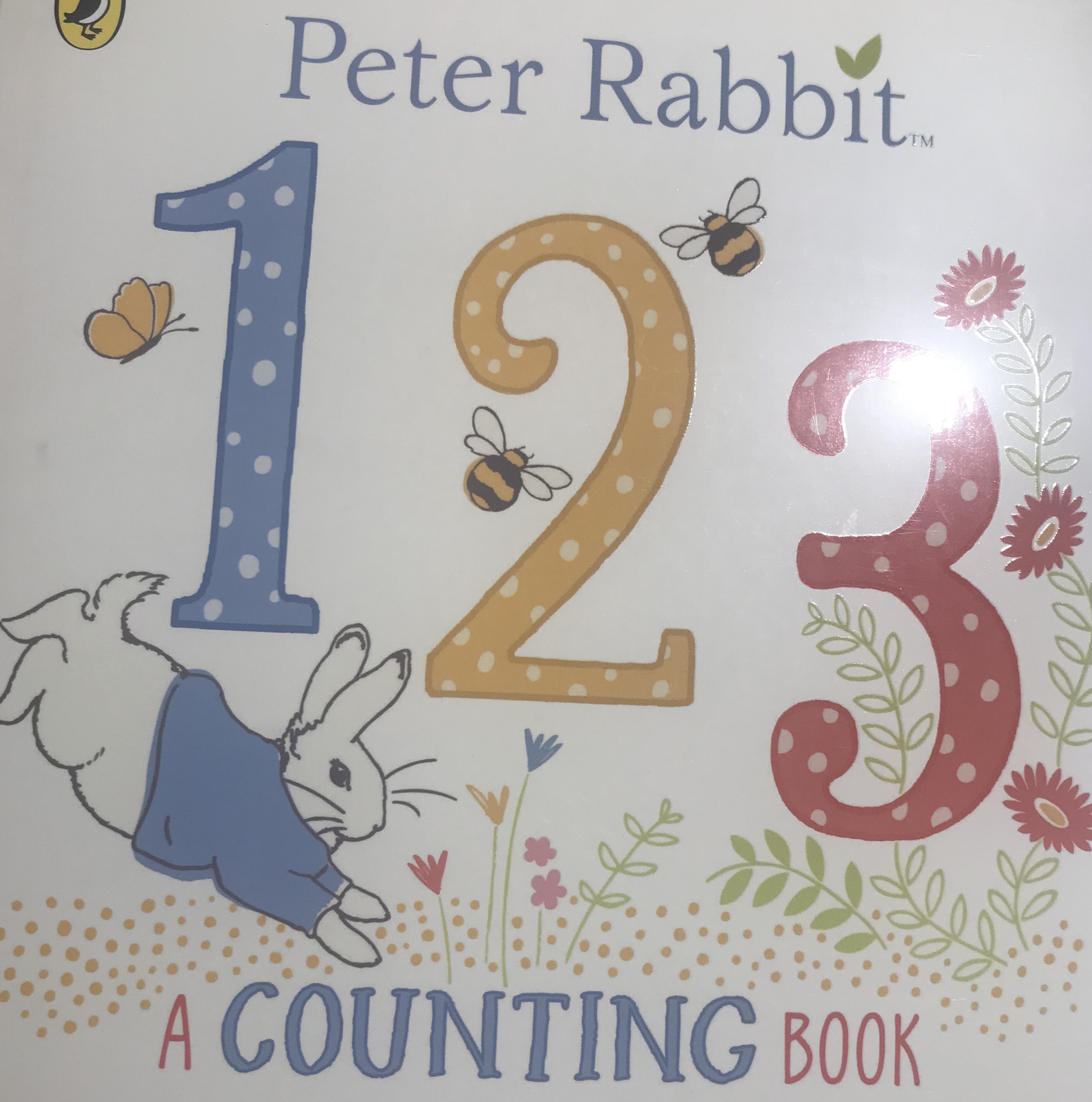

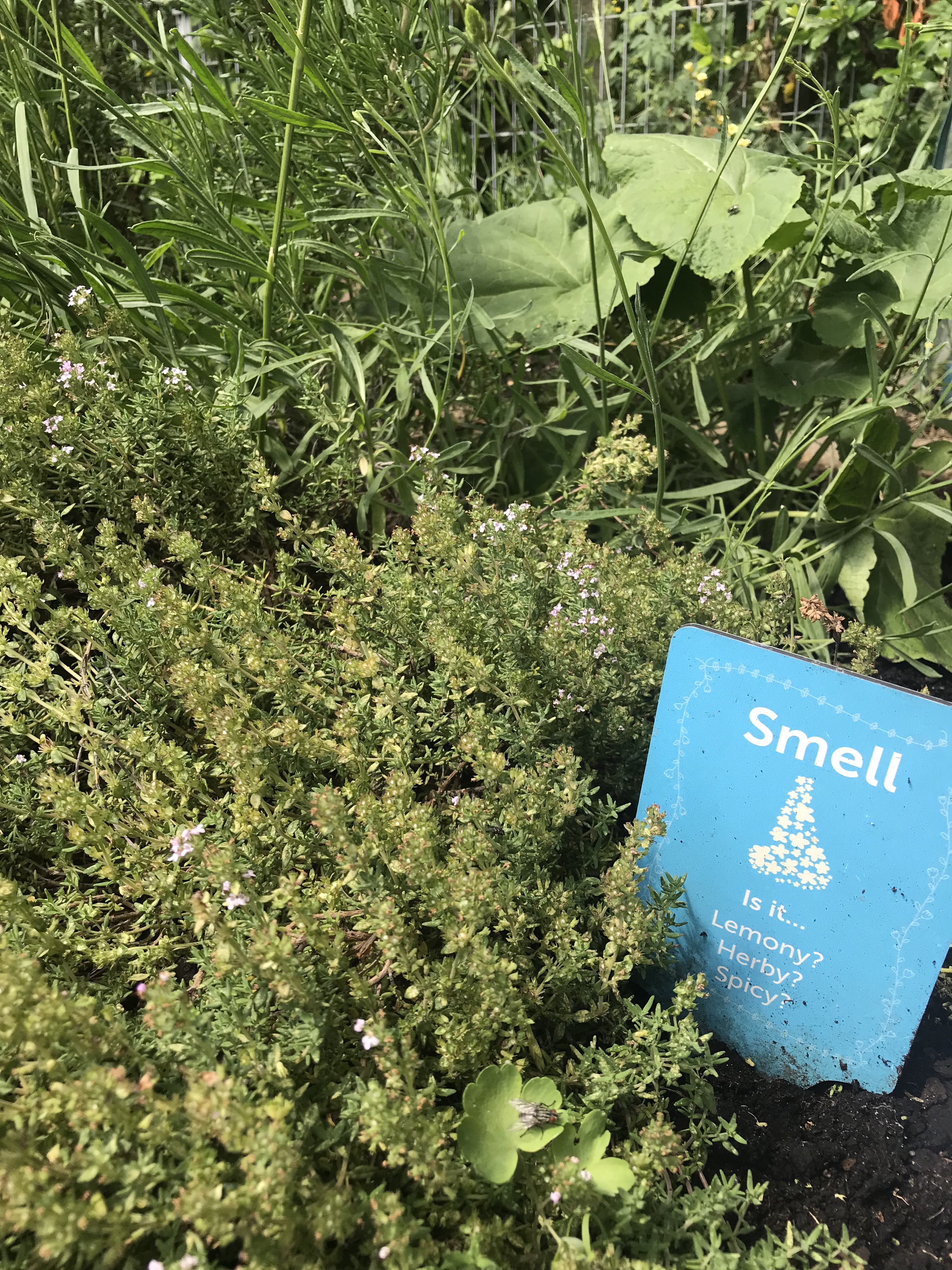

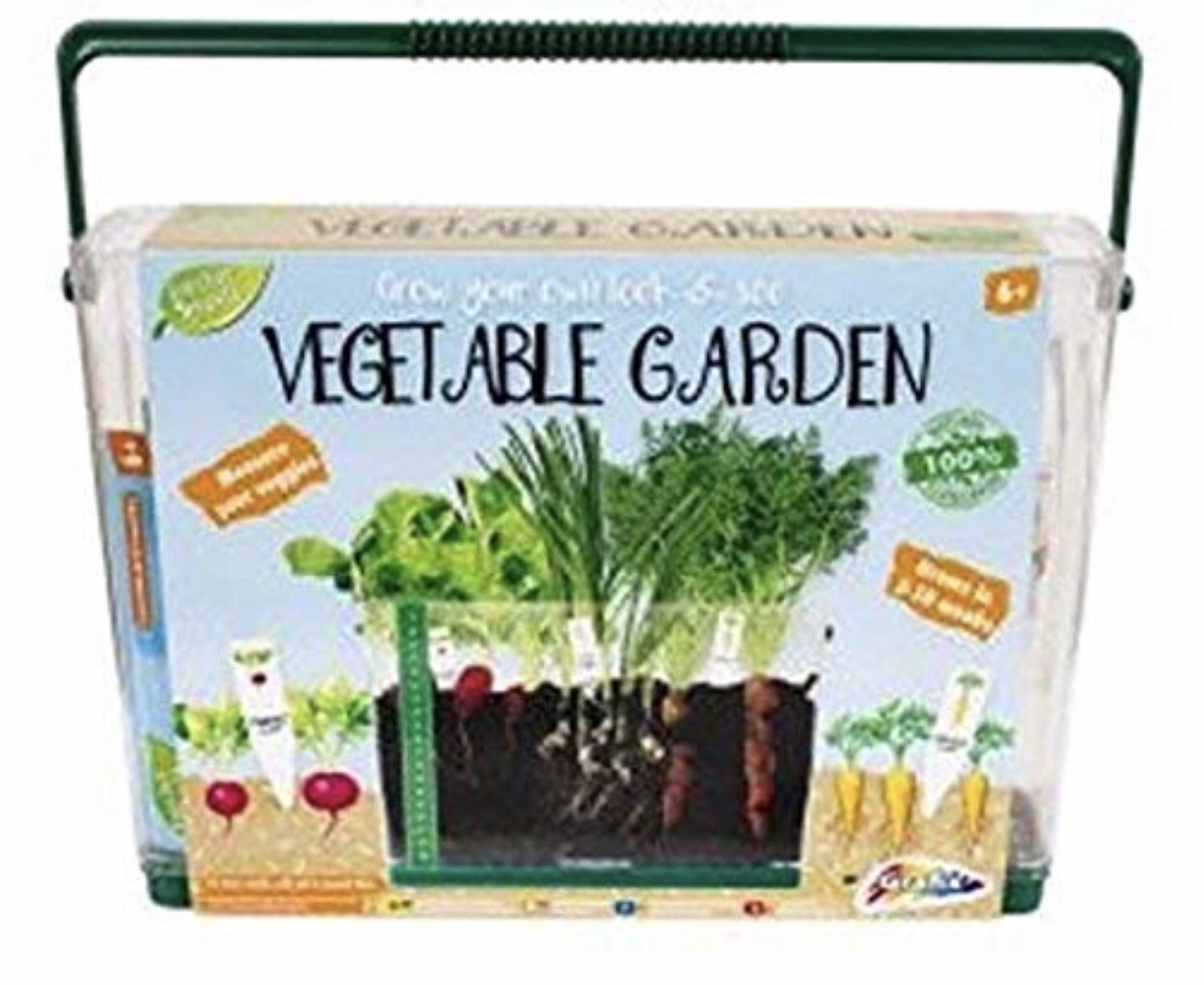 Vegetable Garden kit (photo credit- Amazon.co.uk)
 The World Of Beatrix Potter (Photo credit- hop-skip-jump.com)
 Willows Activity Farm (Photo credit- Willowsactivityfarm.com)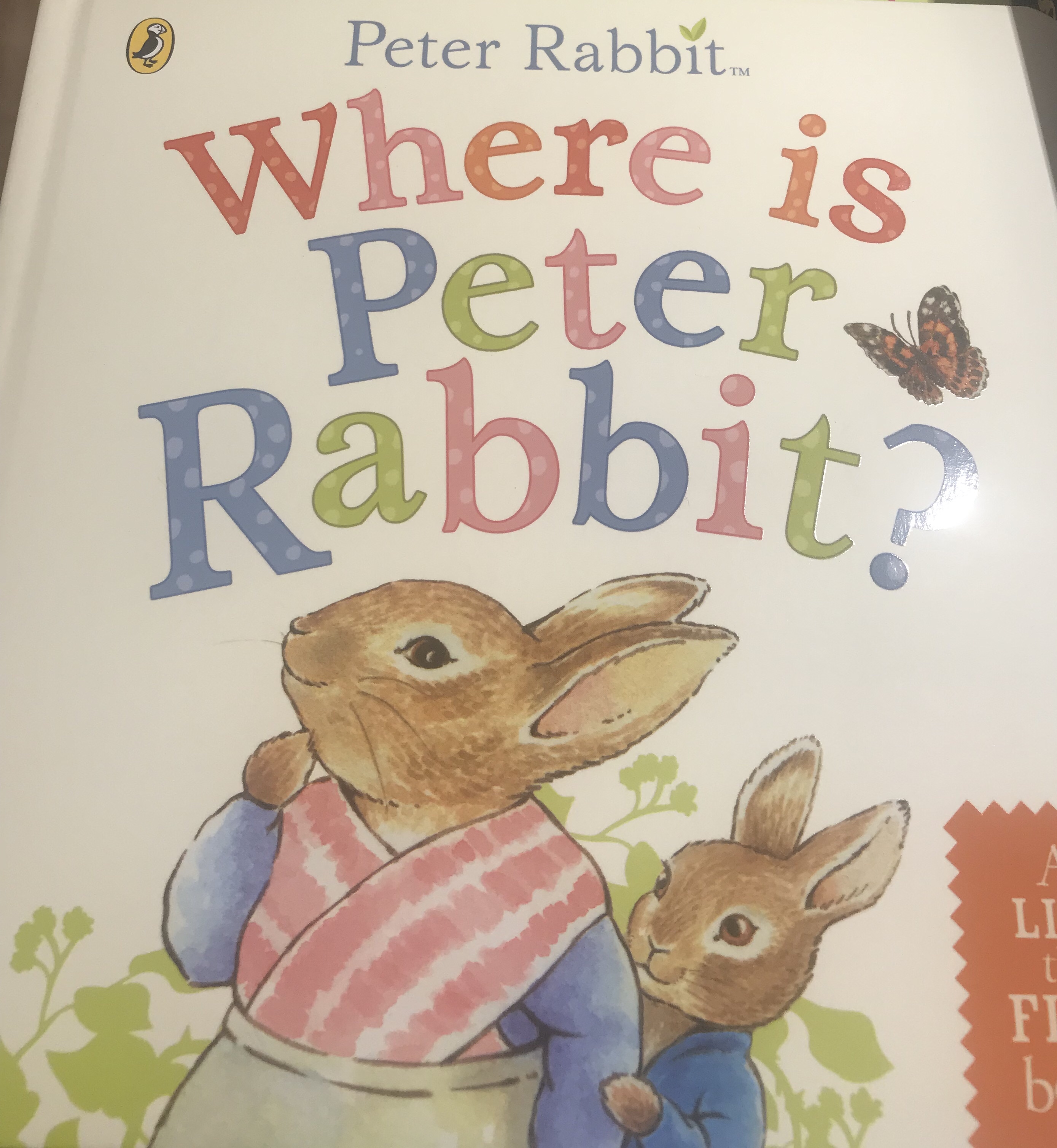





 More to Books